Guatemala · Visited January 2025 · Part of a month in the country
Antigua Guatemala for Digital Nomads
Guatemala's colonial jewel, where cobbled streets run out at the foot of volcanoes and the coffee is grown just up the hill.
Volcanoes on the doorstep · One of Guatemala's safest towns
By James, founder of Nomad Register · Updated November 2026
Antigua Guatemala at a glance
- Overall
- 6.4/10
- Work setup
- 7/10
- Walkability
- 6/10
- Value
- 4/10
- Safety
- 7/10
- Lifestyle
- 8/10
- Living costs
- About Q6,500 (roughly $850) a month before rent
- Tourist stay
- 90 days for most visitors, shared across the CA-4 region
- Nomad visa
- Residence for remote workers earning $2,000 a month, since October 2025
- Time zone
- CST (UTC-6) all year, with no daylight saving
- Currency
- Quetzal (GTQ), about Q7.60 to the US dollar
- Internet
- Most places we tried passed 100Mbps
- Airports
- GUA (Guatemala City), 45 to 90 minutes away by road
- Population
- About 60,000 (municipality, 2023 projection)
- Plugs
- Types A and B, 120V
Climate: Spring-like all year at around 1,500m, with a dry season from November to April (best month: December). Jan 12–24°C, 3 mm rain; Feb 13–25°C, 5 mm rain; Mar 14–27°C, 7 mm rain; Apr 15–28°C, 26 mm rain; May 16–27°C, 117 mm rain; Jun 16–25°C, 250 mm rain; Jul 16–25°C, 180 mm rain; Aug 16–25°C, 182 mm rain; Sep 16–24°C, 235 mm rain; Oct 15–24°C, 131 mm rain; Nov 14–23°C, 43 mm rain; Dec 13–23°C, 7 mm rain
Overview
A small colonial town ringed by volcanoes, and one of the easiest places in Latin America to settle into
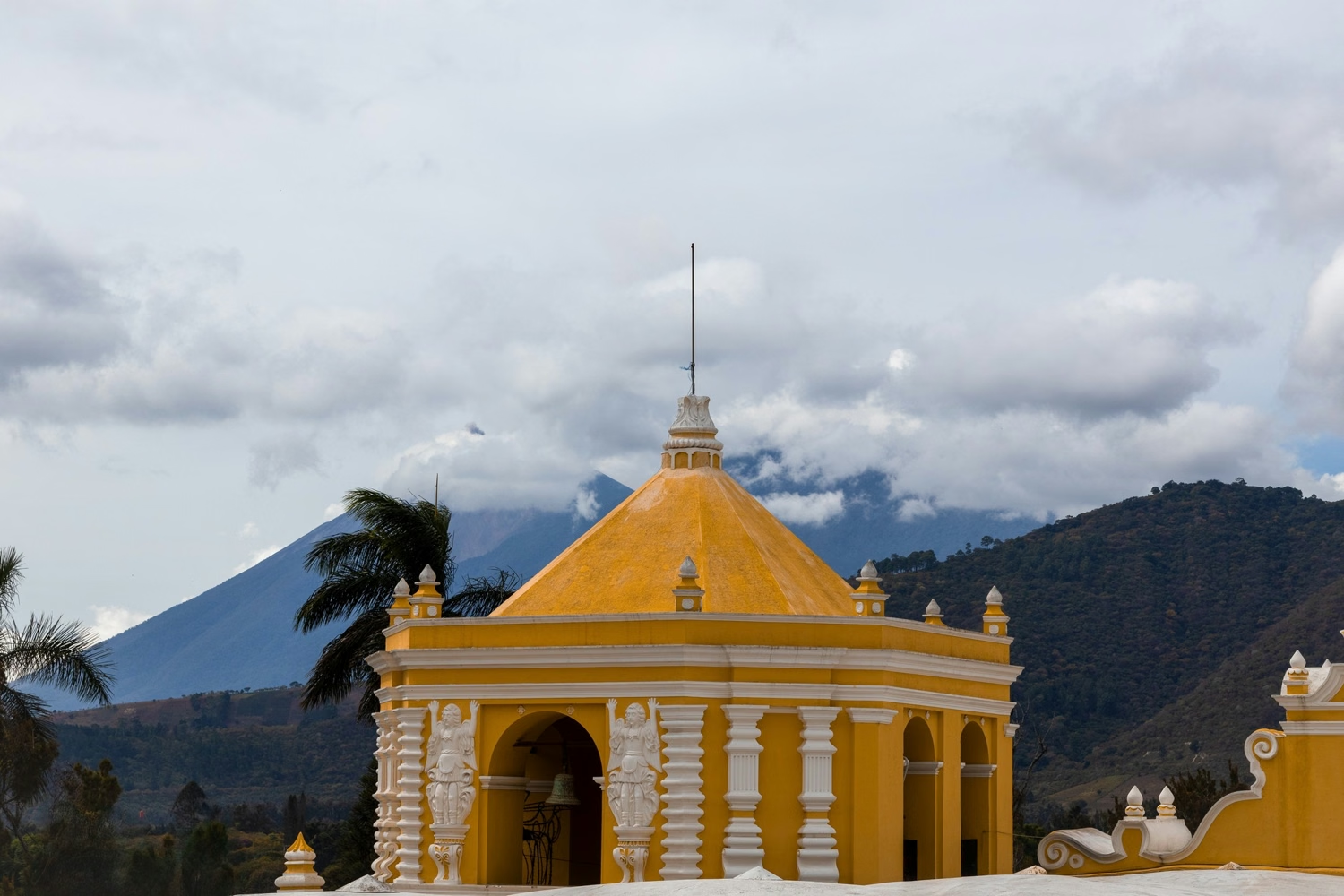
Antigua Guatemala sits in a highland valley around 1,500m above sea level, with three volcanoes rising right around it and Guatemala City's airport 45 to 90 minutes away by road. Once the capital of the region, it has been a UNESCO World Heritage Site since 1979, and its grid of cobbled streets and colonial churches looks like it belongs on a postcard. It's also tiny, with about 60,000 people in the whole municipality, which makes it probably the smallest place we've been based as nomads. For remote workers, the draw is a solid café scene and a surprising number of coworking spaces, with Wi-Fi that's better than you'd expect and superb hiking on the doorstep.
We visited in January 2025, as part of a month in Guatemala, and we'd happily recommend it. Most tourists use the town as a launch pad for volcano hikes and coffee farms, then move on within a day or two, but for nomads it's one of the most effortlessly liveable spots in Latin America. It isn't cheap by Guatemalan standards, though, and we were paying close to £4 for a latte, so it pays to know where to look.
A few things have changed since our visit. El Cubo, the coworking space we rate most highly, has put its day pass up to Q155, and Bella Vista Coffee has moved from its rooftop in town to its coffee farm outside it. Guatemala launched a residence permit for people working remotely for foreign employers in October 2025, which gives nomads a legal route beyond the 90-day tourist stay. Volcán de Fuego erupted again in August 2026, and the Acatenango trail was closed for a few days, with access to Fuego itself through the park still banned when it reopened.
For a first stay, come between November and February and give it a month. Base yourself in the historic centre, then if you fall for the place, think about a longer stay in Ciudad Vieja or one of the villages near El Cubo, where rent and coffee cost less.
Three months can fly by
"Antigua is no secret, but somehow it still feels like a hidden gem. It's one of those places that nomads pass through and fall in love with, and then suddenly three months have gone by."
James, founder of Nomad Register
Antigua Guatemala suits you if
- you love hiking, with volcano trails and coffee farms a short drive away
- you want a small, safe base that's easy to settle into
- you like working from cafés, with a handful of good coworking spaces as backup
- you'd like a mild climate without the heat of the coast
It's less suited to you if
- you're on a tight budget, as it's one of the priciest places in Central America
- you want big-city energy and a lively nightlife scene
- you run on roads, as the pavements are narrow and the cobbles are brutal
- you want to stay beyond 90 days without applying for residence
At a glance
Work setup · Good · 7/10
El Cubo is one of the nicest coworking spaces we've seen on our travels, modern and spacious with its own café and restaurant, but it sits outside town, a 15-minute Uber ride from the centre. In Antigua itself, coworking cafés such as Serve Hope do the job well. Internet was good in most places we tried, with at least 100Mbps, though mobile coverage was patchy with Claro and much better with Tigo. It won't rival the big nomad hubs, but it's more than enough.
Walkability · Fair · 6/10
Antigua is so compact that you're never more than a 15-minute walk from a good café or a colonial church, and the volcano views make every stroll a pleasure. The streets are another matter. The 500-year-old cobbles are the worst of any colonial town we visited and the pavements are minimal, so walking is more of a mission than it looks and the biggest risk in town is rolling your ankle.
Value · Poor · 4/10
Antigua is one of the most expensive places in Central America, and food and drink in some places can rival European prices. Numbeo puts an average cappuccino at about Q31 and a one-bedroom flat in the centre at about Q6,700 a month, while one-bedroom Airbnbs were going for about £1,000 a month when we visited. Living in Ciudad Vieja or one of the villages near El Cubo brings the cost down a lot.
Safety · Good · 7/10
Antigua is one of the safest places in Guatemala, with tourist police on almost every corner, and it felt safe to us even at night. Guatemala as a whole carries a "reconsider travel" warning from the US government, though, and armed robberies have targeted tourist routes, so normal precautions apply and the score stays at a 7.
Lifestyle · Great · 8/10
If you're into active weekends, you'll never run out of things to do, from overnight volcano hikes to mountain bike trails. There's a big community of remote workers, retirees, expats and adventure-seekers, so you'll easily find your tribe. Guatemalan food isn't much to write home about and the nightlife is low-key, which keeps this from a 9.
Plan
Getting there and getting around
Antigua doesn't have its own airport. You'll fly into La Aurora International Airport (GUA) in Guatemala City, around 40km away, and then make the drive west by shuttle or private car. Depending on traffic, the journey takes anything from 45 minutes to two hours.
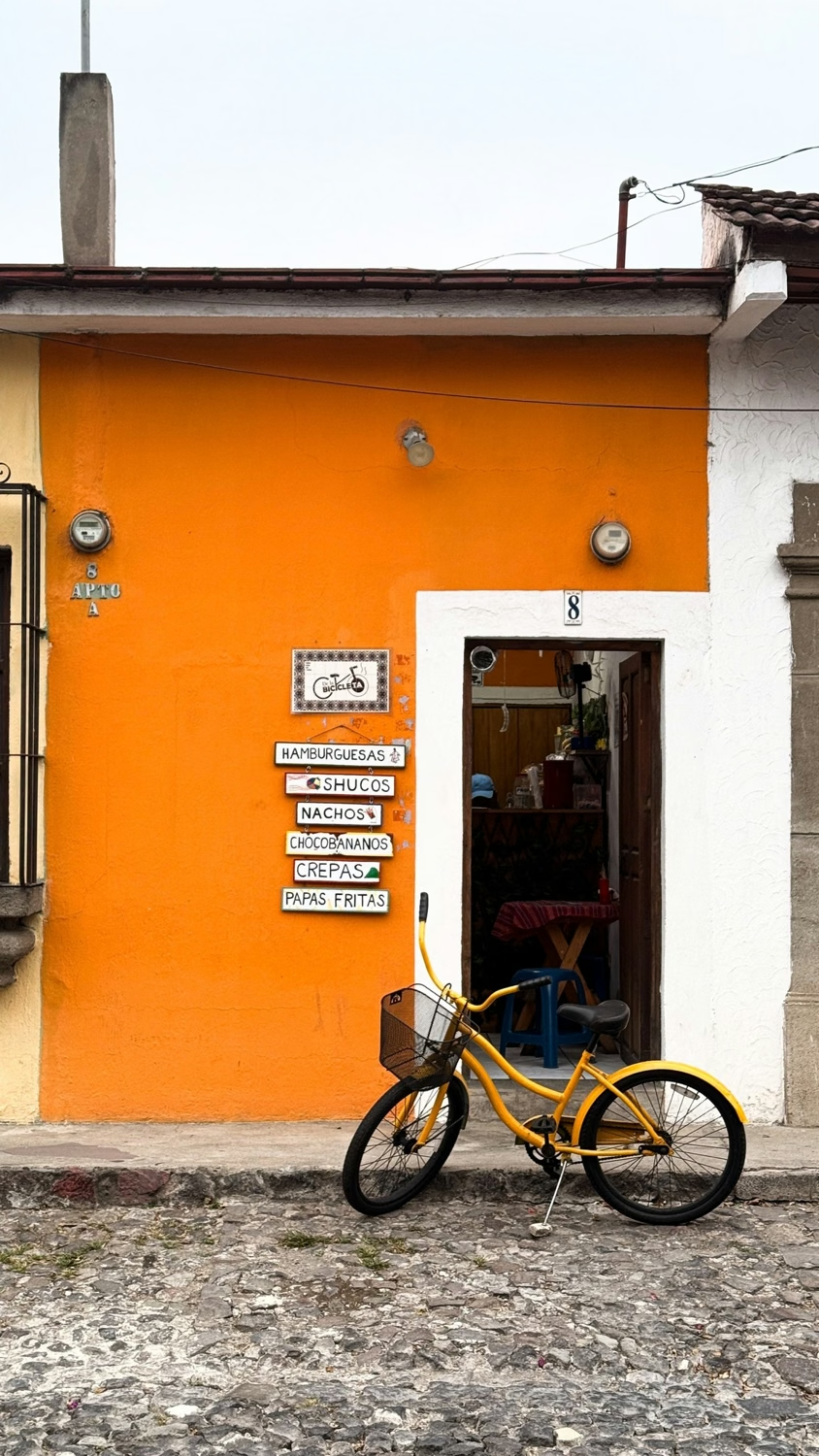
Flying into Guatemala City
La Aurora is Guatemala's main international airport, with most routes coming from North and Central America. In late 2026, there were nonstop flights from US hubs including Houston, Miami, Atlanta and Los Angeles, from Mexico City with Aeroméxico and Volaris, from Panama City with Copa several times a day and from San Salvador and Bogotá with Avianca. From Europe, Iberia flies nonstop from Madrid. The airport is small, but it can get a little chaotic when several flights land at the same time.
Shared shuttle
Popular and easy
Shared shuttles run from the airport to Antigua at set times through the day, and the journey usually takes around an hour and a half. In November 2026, operators such as Guatemala Transportation and AtitlanTour charged $17 to $18 a seat, about Q130 to Q140, with departures from the early morning to the late afternoon. Book ahead, as they don't run around the clock, and if your flight lands later in the day, book a private transfer instead in case of delays.
Private transfer
Fast and comfortable
A driver meets you at the airport and takes you straight to your door, which usually takes 45 minutes to an hour, or longer on public holidays. It's the best option for groups and late-night arrivals. We booked ours through our hostel, Somos, and paid £33, while prices from transfer companies in late 2026 ran from about $42 to $65, or Q320 to Q500.
Uber
Flexible
Uber works from the airport to Antigua, and the ride takes 45 minutes to an hour. Be warned that drivers may ask for cash instead of using the app, and some cancel at the last minute. Estimates in late 2026 ran from about $35 to $55, roughly Q270 to Q420, rising at rush hour.
Chicken bus
Cheapest
Guatemala's famous chicken buses are converted old American school buses. The fare between Guatemala City and Antigua rose to Q25 in September 2026, but the trip can take up to two hours with plenty of stops and isn't direct from the airport. If you're a seasoned traveller, knock yourself out, but otherwise we wouldn't recommend it with luggage.
Traffic in Guatemala City is unpredictable, especially at rush hour. If you arrive in the afternoon, expect the drive to take closer to one and a half to two hours, while early mornings and late evenings can be as quick as 45 minutes. When you're flying out, do as your dad does and aim to be at the airport three to four hours early.
Getting around town
Antigua is best explored on foot, as you're never far from anything, but the cobbles are brutal and the pavements are narrow, so wear proper shoes and watch your step. Tuk-tuks are everywhere, and short rides around the historic centre usually cost Q10 to Q15. Uber works in and around town, and it's the easiest way to reach El Cubo, about 15 minutes away, though bouncing over the cobbles in a car isn't for anyone with a delicate stomach. Taxis are plentiful too, but the UK government warns about express kidnappings involving taxis hailed on the street, so book a ride through an app or your accommodation instead.
Cost of living
About Q6,500 a month before rent
That's our estimate for one person who eats out most days and pays for a membership at El Cubo and a gym, which works out at roughly $850 or £640. If you work from home and cook more, you could spend closer to Q4,000. Antigua is one of the most expensive places in Central America, and coffee and restaurant prices in the centre can feel closer to Europe than to the rest of Guatemala.
| Item | Typical price |
|---|---|
| Cappuccino, average | Q31 |
| Meal at an inexpensive restaurant | Q58 |
| Pepián at a local restaurant (what we paid in January 2025) | £5, about Q50 |
| Domestic draught beer, half litre | Q29 |
| Tuk-tuk ride in the centre | Q10–15 |
| Chicken bus to Guatemala City | Q25 |
| Shared shuttle from the airport | $17–18, about Q130–140 |
| Coworking day pass at El Cubo | Q155 |
| Coworking membership at El Cubo | Q1,275 |
| Gym, monthly average | about Q314 |
| Prepaid SIM, Tigo 15GB for 30 days | Q120 |
| One-bedroom flat in the centre, monthly average | about Q6,700 |
| One-bedroom flat outside the centre, monthly average | about Q4,000 |
| One-bedroom Airbnb, monthly (when we visited in January 2025) | about £1,000, or Q10,100 |
Sources: our visit in January 2025, Numbeo (coffee, meals, beer, gym and rent averages, updated November 2026, from a small number of contributors), El Cubo's own price list, Living in Guatemala (chicken bus fare and Tigo prepaid prices), Travel Currency Guide (tuk-tuks) and the shuttle operators' published fares, checked November 2026. Sterling prices from our visit are converted at Wise's November 2026 rate of about Q10.1 to the pound. Confidence: medium.
Guatemala's currency is the quetzal, named after the national bird and written with a Q, and in late November 2026, a US dollar bought about Q7.60 and a pound about Q10.10. Keep some cash on you for tuk-tuks and markets.
Finding somewhere to live in Antigua itself isn't cheap. Numbeo's averages put a one-bedroom flat at about Q6,700 a month in the centre and about Q4,000 outside it, though they're based on only a handful of contributors, and one-bedroom Airbnbs were going for about £1,000 a month when we visited. If we did Antigua again, we'd look just outside town, in Ciudad Vieja or one of the villages near El Cubo, to save a small fortune on rent and coffee.
When to visit
A dry season from November to April
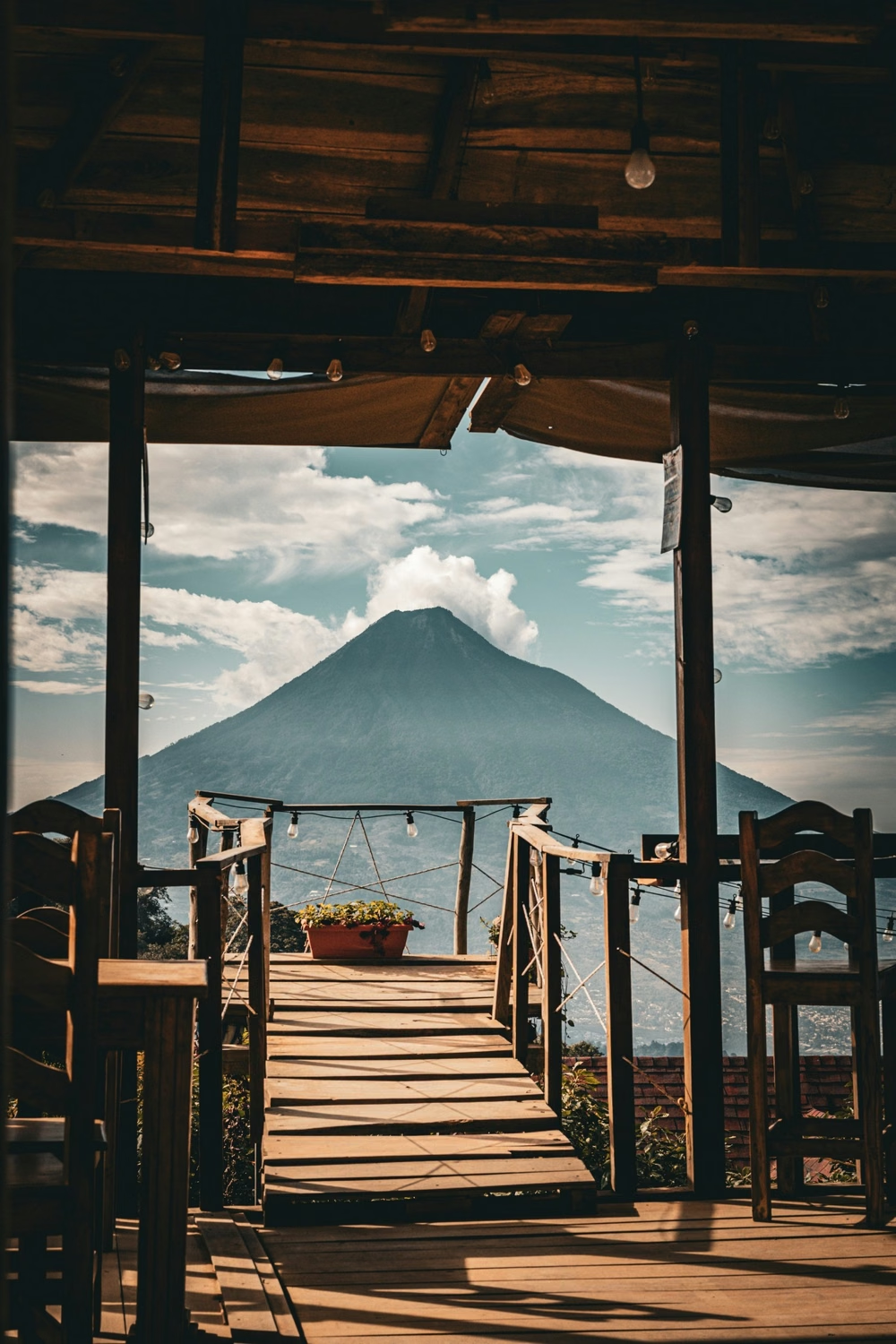
Antigua has two seasons, dry from November to April and wet from May to October. Thanks to its altitude of around 1,500m, it never gets unbearably hot like the lowlands of Central America, with average highs between 23°C and 28°C all year and cool nights, especially from December to February.
Personally, we think November to February is the best time to come, with clear skies and dry trails for hiking, and December is our pick. It's also the peak tourist season, though, so book ahead. March and April are a little quieter and still very dry, but they're the warmest months, and the rains start to creep in towards the end of April. Avoid August to October if you're here for the hikes, as the peak of the rainy season can turn trails into mudslides, and in typical Central American fashion, a guide might still happily take your money and send you up anyway.
The biggest event of the year is Semana Santa, the week before Easter, when processions wind through the streets over carpets of coloured sawdust and flowers. UNESCO added Holy Week in Guatemala to its list of Intangible Cultural Heritage in 2022, and in 2027, it runs from Palm Sunday on 21 March to Easter Sunday on 28 March. Accommodation fills up fast, so book early or plan around it.
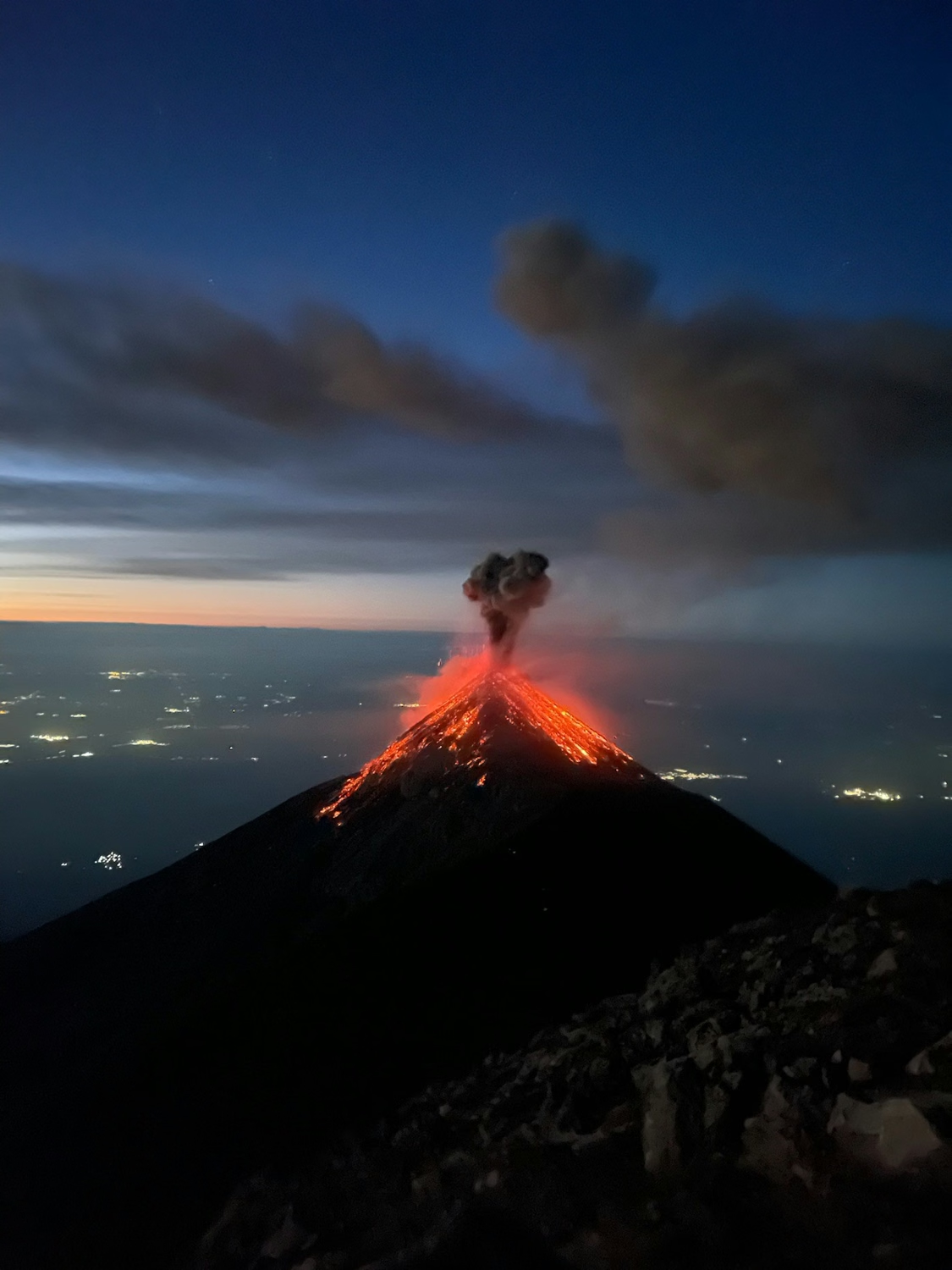
Volcán de Fuego, which you can see from town, is one of Central America's most active volcanoes, and it can erupt at any time of year. In November 2026, ash from it fell on Antigua, so check the latest from CONRED, Guatemala's disaster agency, before booking a hike.
| Month | High | Low | Rain | Notes |
|---|---|---|---|---|
| January | 24°C | 12°C | 3mm | Dry and pleasant, when we visited |
| February | 25°C | 13°C | 5mm | Dry and warm, still peak season |
| March | 27°C | 14°C | 7mm | Semana Santa from 21 to 28 March 2027 |
| April | 28°C | 15°C | 26mm | The warmest month, still mostly dry |
| May | 27°C | 16°C | 117mm | The rainy season begins |
| June | 25°C | 16°C | 250mm | The wettest month |
| July | 25°C | 16°C | 180mm | Rainy season |
| August | 25°C | 16°C | 182mm | Wet, and trails can get muddy |
| September | 24°C | 16°C | 235mm | Peak rainy season |
| October | 24°C | 15°C | 131mm | Still wet, but drying out |
| November | 23°C | 14°C | 43mm | The dry season returns |
| December | 23°C | 13°C | 7mm | Our pick for the best month |
Source: INSIVUMEH climate normals for Guatemala City, about 25km east of Antigua at a similar height, published by the World Meteorological Organization. Antigua has no official station with published normals, so treat these figures as a close guide.
How long to stay
A month is a good length, long enough to settle into a café routine and fit in a few weekend hikes, but don't be surprised if it turns into three. Guatemala's 90-day tourist allowance is shared with its CA-4 neighbours, so if you're travelling around the region, count your days across all four countries.
Working remotely and visas
Remote worker residence since 2025
- Tourist stay
- 90 days, shared across the CA-4 countries
- Extension
- One extension, applied for in person in Guatemala City
- Nomad route
- Temporary residence for workers with a foreign employer, for 1 to 5 years
- Income
- $2,000 a month, or $3,000 with dependants
- Time zone
- CST (UTC-6) all year
British, EU and US citizens can visit Guatemala without a visa for up to 90 days. The allowance covers the whole CA-4 region, which is Guatemala, El Salvador, Honduras and Nicaragua, so it starts when you enter any of the four and doesn't restart when you cross between them. British and EU passports should be valid for at least six months from the day you arrive, while US passports only need to be valid on arrival. The US government also reminds travellers to fill in Guatemala's electronic customs and immigration form when arriving and leaving.
If you want to stay longer, Guatemala's migration law allows a single extension, which you apply for through the Instituto Guatemalteco de Migración by booking an appointment online and then visiting its office in Guatemala City. The fee was $25 in 2025. The UK government describes the extension as lasting up to 30 days, while local reports say up to 90, so confirm the length with the IGM before you rely on it. Overstaying costs Q15 for every extra day. Many nomads instead leave for Mexico or Belize, which aren't part of the CA-4 group, and come back for a new stay, but the border officer decides how long you're given, so don't count on another 90 days.
Can you work remotely on a tourist stay?
Not officially. Guatemala's migration law treats tourists as visitors who come for lawful purposes without seeking residence, and carrying out business activities without authorisation is an offence. It doesn't specifically mention remote work for a foreign employer, so answering emails on holiday is a grey area, but Guatemala now has a residence permit designed for exactly that, so if you plan to work from Antigua for weeks at a time, that's the proper route. Our guide to working remotely on a tourist visa explains the risks.
The remote worker residence
Guatemala doesn't have a visa called a digital nomad visa, but since 8 October 2025, it has offered temporary residence to foreigners who work remotely for a company based outside the country. It's granted for one to five years, and you'll need a fixed income of at least $2,000 a month, or $3,000 if dependants come with you. Your work mustn't earn you any income in Guatemala or make you an employee of a Guatemalan company. The same reform lets the spouses and partners of migrant workers take a job locally and created a separate residence for the self-employed, who need a sworn statement of their business and the right commercial licence.
Spend more than 183 days in Guatemala in a calendar year, consecutive or not, and you'll become tax resident, and you can also become resident if the centre of your economic interests is here. Guatemala taxes income from Guatemalan sources rather than worldwide income, and employees pay income tax at 5% on the first Q300,000 a year and 7% above that. Lawyers advise anyone on the new residence to take individual advice on how their foreign salary is treated, so if you're staying long term, get proper advice and keep an eye on your day count.
Working hours
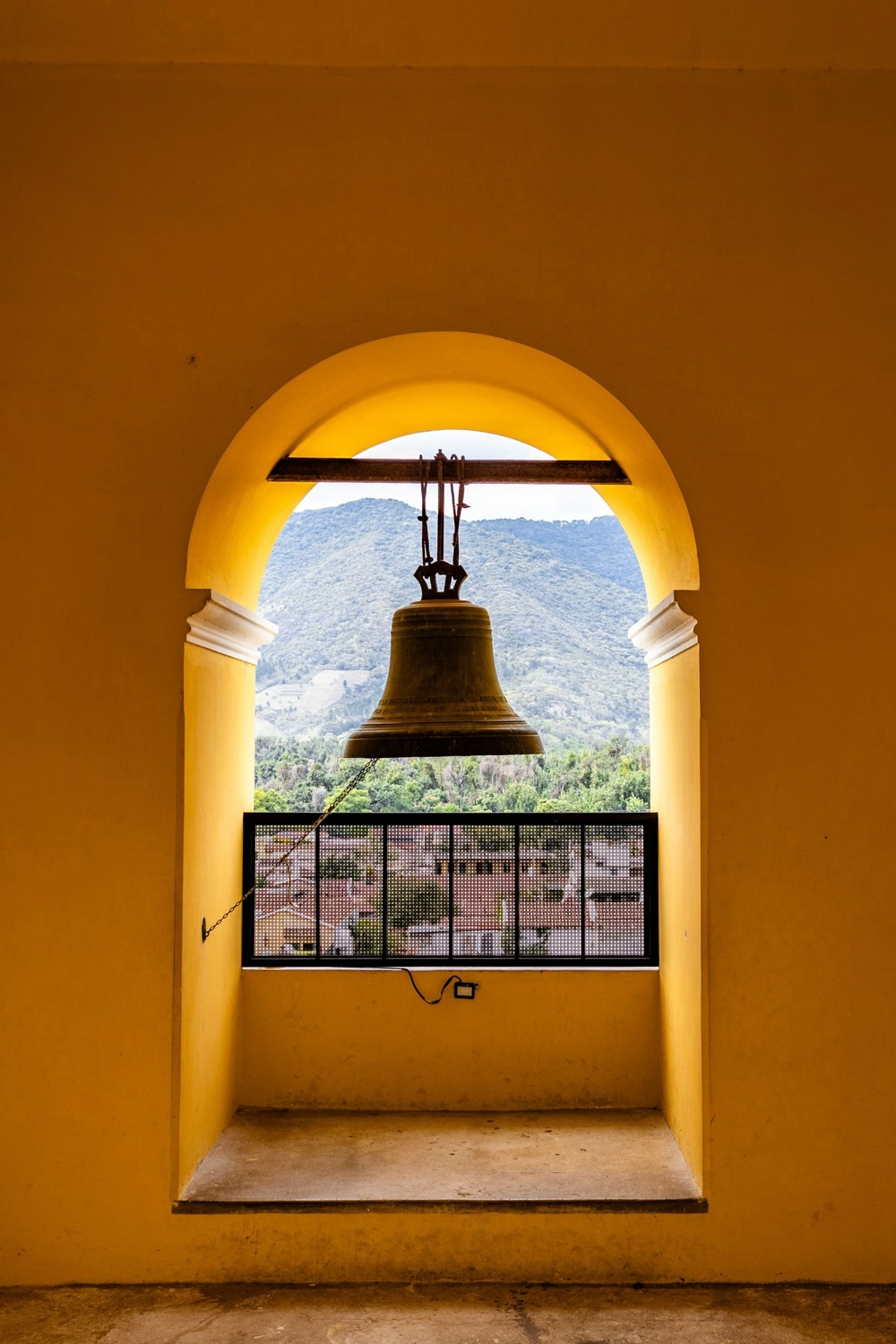
Guatemala runs on Central Standard Time, six hours behind UTC all year, with no daylight saving. That makes it a good fit for teams in the Americas. You're on the same time as Mexico City all year, and on the same time as Chicago and Houston in the northern winter, an hour behind them in summer. New York is an hour ahead in winter and two in summer, while the US West Coast is two hours behind in winter and one in summer. The UK is six hours ahead in winter and seven in summer, so European teams get your early mornings and you'll have the afternoons to yourself. Use our time zone overlap calculator to find the hours that work.
Guatemala's labour code caps a standard daytime shift at eight hours. Many cafés close by early evening, Serve Hope at 6pm for example, so plan calls that run late for your flat or El Cubo, which members can use around the clock.
If your employer needs to approve the trip first, you can create a free remote work request and send it to them for sign-off.
Safety
One of the safest towns in Guatemala
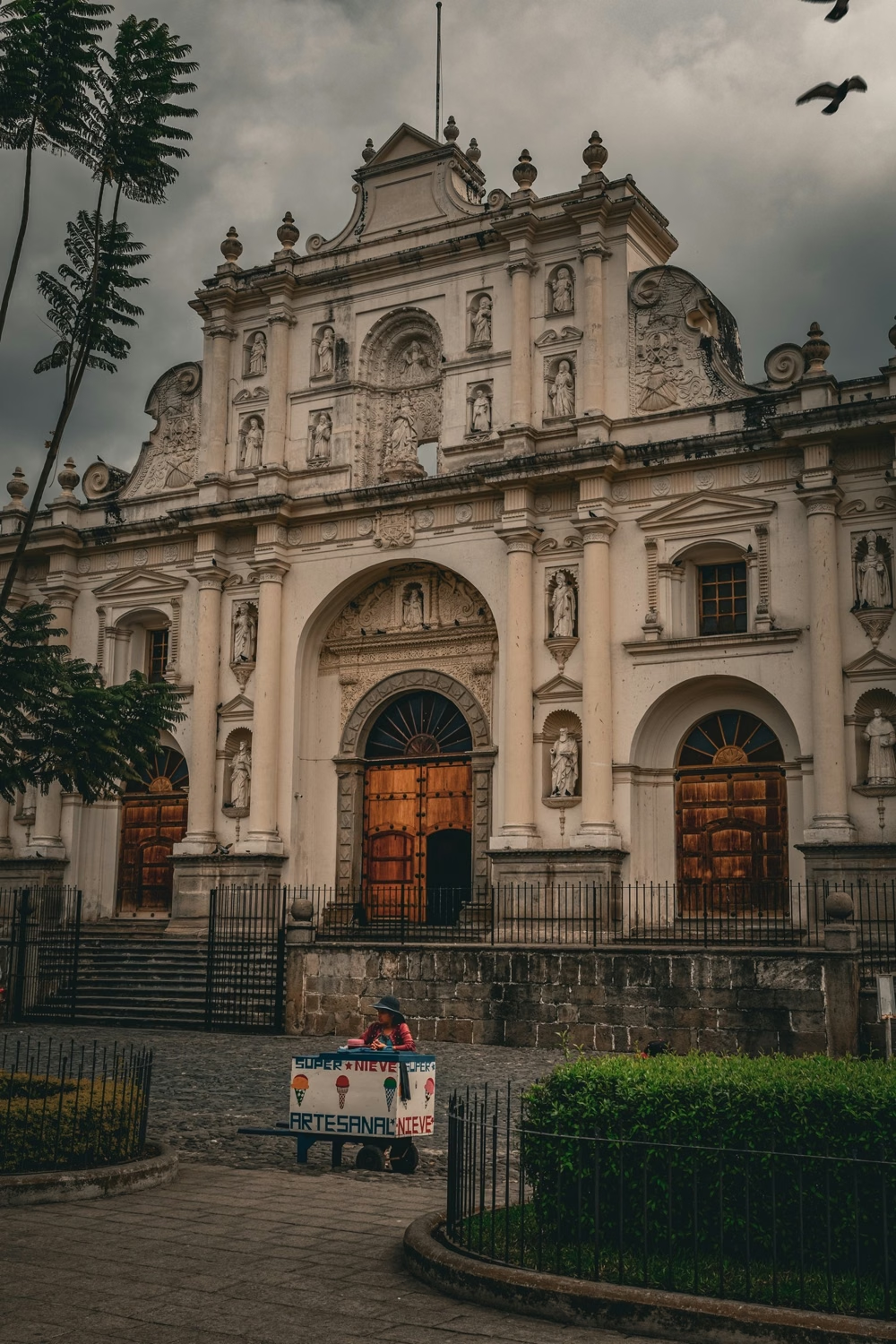
Antigua is one of the safest places in Guatemala, and your biggest risk here is rolling your ankle on the painfully uneven 500-year-old streets. Travellers and expats regard it as a safe, walkable town where violent crime is rare, and there are tourist police on almost every corner. It felt plenty safe to us, even at night.
This is still Guatemala, though, and the country has a difficult reputation. The US government rates Guatemala at Level 3, reconsider travel, because of crime and terrorism, in an advisory reissued in March 2026, and it names Antigua among the tourist areas covered by ASISTUR, the tourist assistance service, and DISETUR, the tourist police. Its Level 4 warnings cover parts of the San Marcos and Huehuetenango departments, along with Zone 18 of Guatemala City and Villa Nueva, all well away from Antigua. The UK government warns that there have been armed attacks and robberies on most tourist routes, including the road to Antigua, so travel by shuttle or a booked ride rather than at night on your own.
In November 2026, Guatemala's Congress approved a 30-day state of siege in the departments of Zacapa and Izabal, in the east of the country. It doesn't cover Sacatepéquez, the department Antigua is in.
Guatemala City, or Guate to locals, is a different beast. Some areas are downright dangerous, with scams and violent crime far more common than in Antigua. If you need to go into the city for flights or errands, stick to Zones 4, 9 and 10, which are the safest, and stay alert.
Practical advice
- Keep your phone off café tables and your cash out of sight, as opportunistic theft still happens.
- Book rides through an app or your accommodation rather than hailing cars on the street.
- Choose volcano guides with strong, recent reviews, as there's no mountain rescue service in Guatemala.
- Save 1500 for ASISTUR, the tourist assistance line, and 110 or 120 for the police.
Volcano hikes carry the biggest risks in the area. The UK government warns that some operators underestimate the dangers and that people have died on Guatemala's volcanoes, and Fuego's eruptions can close trails at short notice, as they did for a few days in August 2026. Hike with a reputable company and check the latest alerts before you go.
Tap water isn't safe to drink anywhere in Guatemala, even in the capital, so stick to bottled or filtered water.
Healthcare
Antigua has both public and private hospitals. The Hospital Privado Hermano Pedro, on Avenida La Recolección, is a private hospital in town, while the public Hospital Nacional Pedro de Bethancourt is in San Felipe de Jesús, on the northern edge of Antigua. Both appear on the UK government's list of medical facilities in Guatemala. For anything serious, the larger private hospitals in Guatemala City are about an hour away.
Travel insurance is essential, and make sure yours covers hiking at altitude if you plan to climb Acatenango, as there's no mountain rescue service and evacuation is costly. In an emergency, call 122 or 123 for the fire brigade, which runs ambulances in Guatemala, or 125 for the Red Cross.
Antigua has no malaria risk, but dengue cases have been rising in the department of Sacatepéquez, so use insect repellent, especially in the rainy season. Ash from Fuego can also irritate your eyes and lungs on days when the wind blows it over town.
Live & work
Where to stay
Antigua is a tiny city, covering just 74 square kilometres, and most of the action is in its historic centre. You're never more than a 15-minute walk from a good café or a colonial church, so where you stay mostly comes down to personal preference. If you're staying a while, try a few days in the centre before moving to one of the nearby towns, which feel more local and could save you a small fortune.
Centro Histórico
Our pick
Antigua is essentially one large historic centre, packed with colonial buildings and cobbled streets with volcano views in every direction, and it's where most visitors stay. The closer you are to Parque Central, the livelier and pricier it gets, and some streets are flooded with tourists, but for a short stay, being in or near the park is pure convenience. Just avoid taking an Uber across the cobbles unless you have an iron stomach.
Pros
- Safe and ridiculously scenic
- Cafés and coworking spots on almost every street
- Markets and nightlife on your doorstep
- Volcano views in every direction
Cons
- Expensive, especially near the main square
- Some streets get flooded with tourists
Rent guide: around Q6,700 a month for a one-bed (Numbeo's city-centre average)
Work from: Serve Hope Café on 6a Calle Poniente or Impact Hub on 3a Calle Poniente
South of the centre
Residential and local
Head a little further south and you'll find more long-term rentals and fewer tourists. It feels a little more local, though it's still Antigua, so don't expect a massive difference. If you're staying longer, it's a great option that keeps you within walking distance of everything.
Pros
- More affordable accommodation and more long-term rentals
- Less touristy, but still walkable to everything
Cons
- Fewer cafés and coworking spots geared towards nomads
- Can feel a little disconnected if you want the buzz of the centre
Rent guide: from about Q4,000 a month for a one-bed (Numbeo's average outside the centre)
Work from: home, or a walk into the centre
Ciudad Vieja and the El Cubo villages
What we'd do next time
Just 10 minutes from Antigua, Ciudad Vieja was Guatemala's second colonial capital before a mudslide buried it in the 1500s. Today it's a proper local town with far fewer tourists and a more affordable cost of living. If we did Antigua again as nomads, we'd sign up at El Cubo for a month and find an Airbnb near it, in Ciudad Vieja, San Miguel Dueñas, San Lorenzo El Cubo or San Andrés Ceballos, then take a 15-minute Uber into Antigua whenever we fancied it.
Pros
- Lower rent than Antigua
- A more authentic, less touristy feel
- Close to El Cubo
- A quick, cheap Uber into Antigua
Cons
- Few places to work remotely apart from El Cubo
- Not as picture-perfect as Antigua
Rent guide: below Antigua's averages, though there are no reliable figures for these towns
Work from: El Cubo, in San Lorenzo El Cubo
San Juan del Obispo
Scenic and quiet
A tiny village on the slopes of Volcán de Agua, about 15 minutes south of Antigua, known for its chocolate and small vineyards. It's super peaceful, with incredible volcano views, and feels like a proper retreat while still being close to town. Carmona Trails, our favourite place in the Antigua area, is here too.
Pros
- Super peaceful, with incredible volcano views
- Affordable long-term rentals
- Feels like a retreat, yet close to Antigua
- Right by Carmona Trails
Cons
- No nightlife and few options for nomads
- You'll need a tuk-tuk or your own wheels to get around
Rent guide: below Antigua's averages, though there are no reliable figures for the village
Work from: home, or a tuk-tuk into Antigua
San Antonio Aguas Calientes
Textiles and local culture
A short drive from Antigua, this town is famous for its hand-woven textiles. It's a good option if you want a more cultural, local experience while staying relatively close to Antigua, but you'll meet very few other nomads and you'll need your Spanish.
Pros
- Lower cost of living than Antigua
- Rich Mayan culture and craftsmanship
- Feels more connected to traditional Guatemalan life
- A short drive from Antigua
Cons
- Very few other nomads
- You'll need Spanish
Rent guide: below Antigua's averages, though there are no reliable figures for the town
Work from: home, or a ride into Antigua or El Cubo
Rent guides for Antigua are Numbeo's November 2026 averages for an unfurnished one-bedroom flat, based on a small number of contributors, and no reliable figures exist for individual neighbourhoods or the nearby towns. Furnished flats and Airbnbs usually cost more, and one-bedroom Airbnbs were going for about £1,000 a month when we visited in January 2025.
Where to work
Antigua has quite a few coworking spaces and plenty of cafés that welcome laptops, and the town is very pro-remote work. It won't rank as highly as the big nomad hotspots, but there's more than enough to keep you productive, and the best coworking space in the area is one of the nicest we've seen anywhere.
Coworking
El Cubo
San Lorenzo El Cubo, 15 minutes by Uber · Top choice · Open Monday to Saturday from 8am to 5pm, with round-the-clock access for members
El Cubo is the best-rated coworking space in the Antigua area, and we'd highly recommend it. It's one of the nicest coworking spots we've seen on our travels, very modern and spacious, with its own café and restaurant. It also had an on-site gym when we visited. It's an hour's walk from the centre of Antigua, or a 15-minute Uber ride. A day pass now costs Q155, up from Q125 when we visited, which is steep for Latin America, but the Creator membership, at Q1,275, is a bargain by comparison.
Impact Hub Antigua
3a Calle Poniente · Day passes and monthly desks in the historic centre
Impact Hub is part of the global coworking network and has a space in the historic centre, which makes it the most convenient proper coworking option if you're staying in town. We didn't try it ourselves, but it's worth a look if El Cubo feels too far away.
Cafés
Serve Hope Café
6a Calle Poniente · Our favourite · Open Monday to Saturday from 7am to 6pm
Our personal favourite spot in central Antigua. It's a great little coffee shop with a coworking space at the back, which cost Q70 for a day when we visited, and a roof terrace with views of Acatenango.
Elemental Coffee Shop
2a Avenida Sur · A café with excellent coffee and bagels
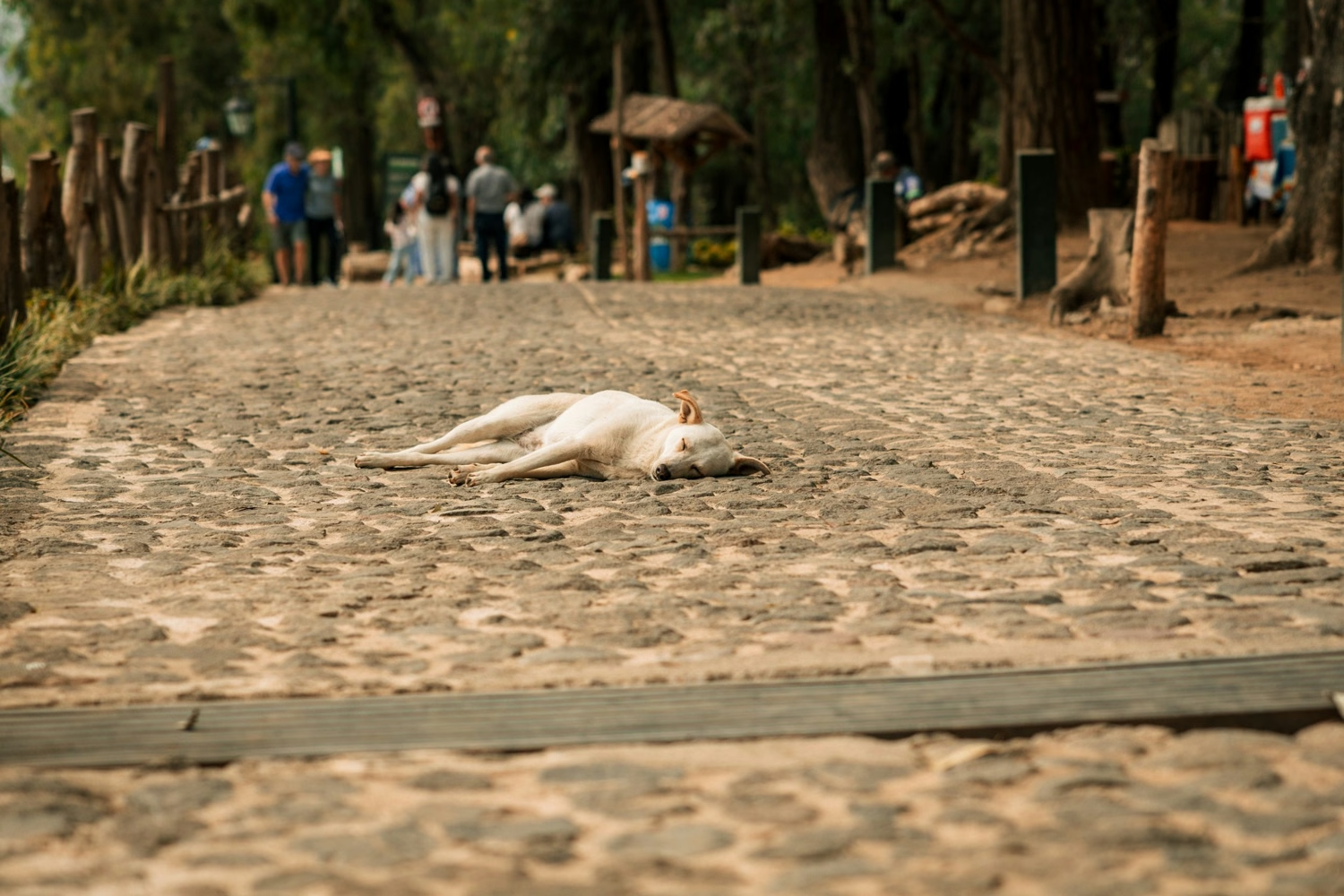
If you miss European café culture, and its prices, this is the place to be. Elemental serves banging bagels and excellent coffee, and when we visited, a scruffy street dog was a regular on the premises.
There are other options too. Socialtel, the hotel chain that took over Selina's properties, has a coworking space at its Antigua hotel on 6a Avenida Norte, mainly for guests, though we heard mixed reports of it after the buyout. Many cafés in town encourage coworking too, so keep ordering and you'll be welcome.
Internet and SIM cards
Internet was pretty good in most places we tried, with at least 100Mbps, and Ookla put Guatemala's median fixed broadband speed at about 100Mbps in October 2026, which is plenty for video calls. It's always property-dependent, though, so ask your host for a speed test screenshot before you book. Mobile coverage was a bit iffy with Claro, which we normally rate, but Tigo was much better, and its prepaid packages include 15GB of data for 30 days for Q120.
Food & drink
Antigua may be small, but it has a great international food scene alongside traditional Guatemalan dishes. If you've just come down from Mexico, it might not live up to those standards, and street food is relatively scarce, but on the plus side, Guatemalan food is considerably less spicy.
What to eat
- Pepián: One of Guatemala's national dishes, and something you can't leave Antigua without trying. It's a thick, spiced meat stew, usually chicken or beef, cooked with tomatoes and peppers and served with rice and tortillas. We paid about £5 for a plate.
- Tamales: Unlike the Mexican kind, Guatemalan tamales are larger and softer, and they come wrapped in banana leaves. Try the tamales colorados, served with a tomato sauce.
- Chiles rellenos: Borrowed from Mexican cuisine, Guatemalan chiles rellenos are stuffed with meat and vegetables, then deep-fried and served in a tomato sauce.
- Pupusas: Technically Salvadoran, these thick corn tortillas are stuffed with cheese or chicharrón and served with curtido, a Central American take on coleslaw that's naturally better.
Where to find a great coffee
Antigua is coffee country, and the café scene is one of the best things about living here. Bella Vista Coffee is arguably one of the best coffee spots in the area and grows its own beans. It has since moved from its rooftop in town to its farm, on the road between Antigua and Ciudad Vieja, where the terrace looks out over the coffee plants, and in 2026 it was open at weekends only. In town, Elemental Coffee Shop on 2a Avenida Sur and Serve Hope Café on 6a Calle Poniente are both great places to settle in with a laptop.
Where to eat and drink
- Rincón Antigüeño: A highly rated spot on 3a Avenida Sur for traditional Guatemalan food, including pepián and an excellent desayuno chapín, the full Guatemalan breakfast.
- AM Breakfast All Day: As the name suggests, it serves breakfast all day. It's affordable and has a huge garden out the back, but be prepared for queues at the weekend.
- Hector's Bistro: One of Antigua's best European-style bistros, on 6a Calle Poniente, serving massive sandwiches that truly satisfy.
- Angie Angie CaféArte: A pizza and pasta spot on 1a Avenida Sur with live music and a little garden.
- Café No Sé: Antigua's very own speakeasy and mezcal bar, and arguably the most popular bar in town. A visit for its superb cocktails is a must, but mind the low door.
Off the clock
Things to see and do
Antigua is a UNESCO World Heritage Site, brimming with colonial churches and ruins, with volcano views at every turn and three volcanoes right on your doorstep. To really experience the best of it, though, you'll need to venture beyond the town, as the hikes and coffee farms nearby are what make it special.
Hike Volcán Acatenango
Must do
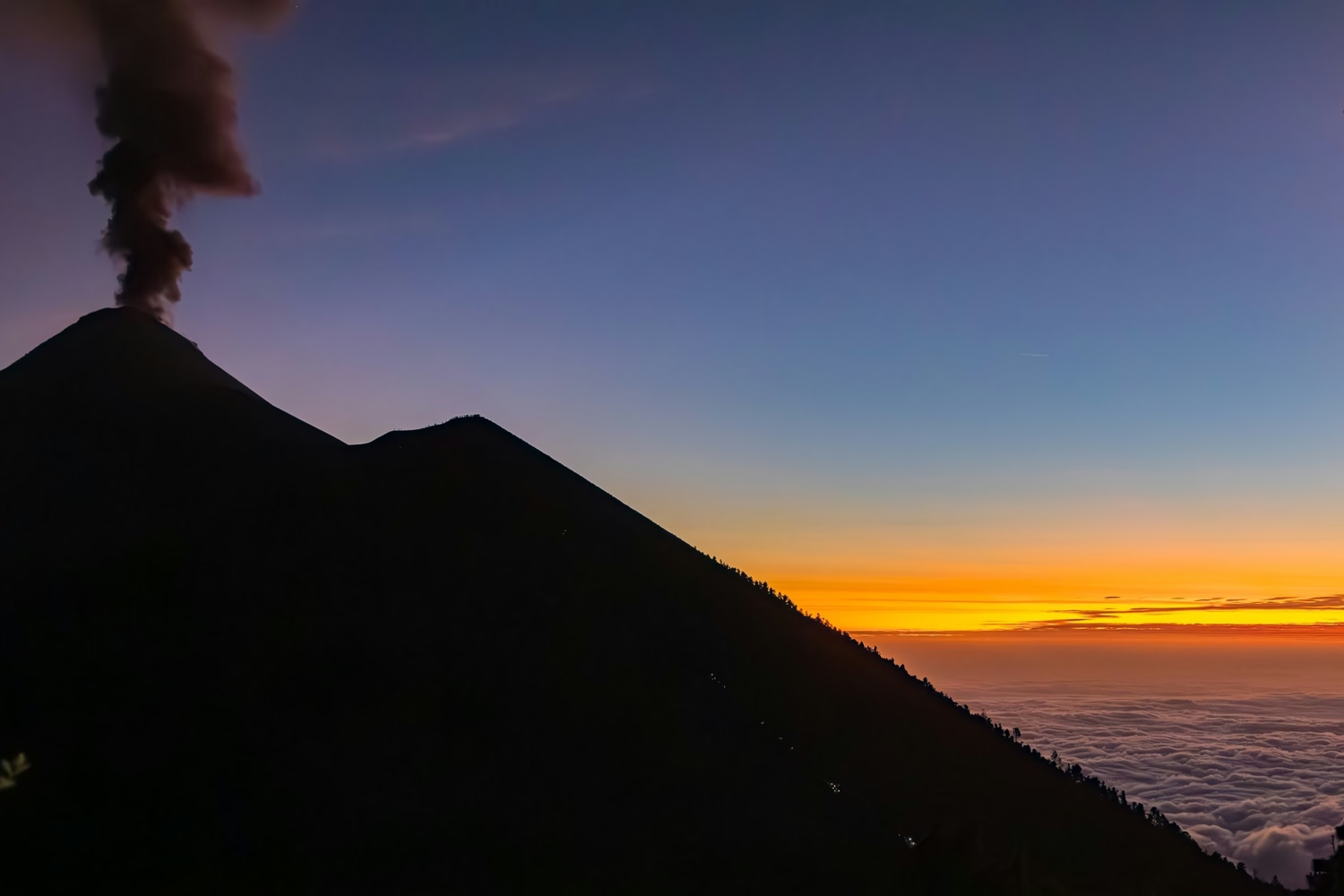
An absolute must-do from Antigua. The hike takes about three hours without breaks, but with stops it usually becomes an all-day climb of around six hours to a base camp at 3,400m to 3,700m, where you'll spend the night facing Volcán de Fuego, one of Central America's most active volcanoes. Acatenango's summit stands at 3,976m. Research your guide thoroughly and don't skimp, as there are some very poor operators out there, and remember this isn't the Inca Trail, so don't expect a luxurious trek. Whatever you do, don't add the Fuego hike, as Acatenango is enough, and access to Fuego through the park was still banned when the trail reopened after the August 2026 eruption.
Park fee Q100 · Overnight group tours from about Q400
Walk up to Cerro de la Cruz
The classic viewpoint over Antigua, with the town laid out below and Volcán de Agua behind it. It's a 10 to 15-minute walk uphill from the northern end of 1a Avenida Norte, along a beautifully landscaped but steep path, or you can take a taxi up and walk down. Go in daylight, ideally with others.
Free · Open 8am to 5pm
Santa Catalina Arch
The most iconic photo spot in Antigua, with Volcán de Agua looming perfectly behind the arch on a clear day. It dates from the 1690s, when it was built so that the nuns of the Santa Catalina convent could cross the street without being seen. It's very popular, so get there early or be prepared to practise your Photoshop skills.
Free · Go early to beat the crowds
Wander the churches and ruins
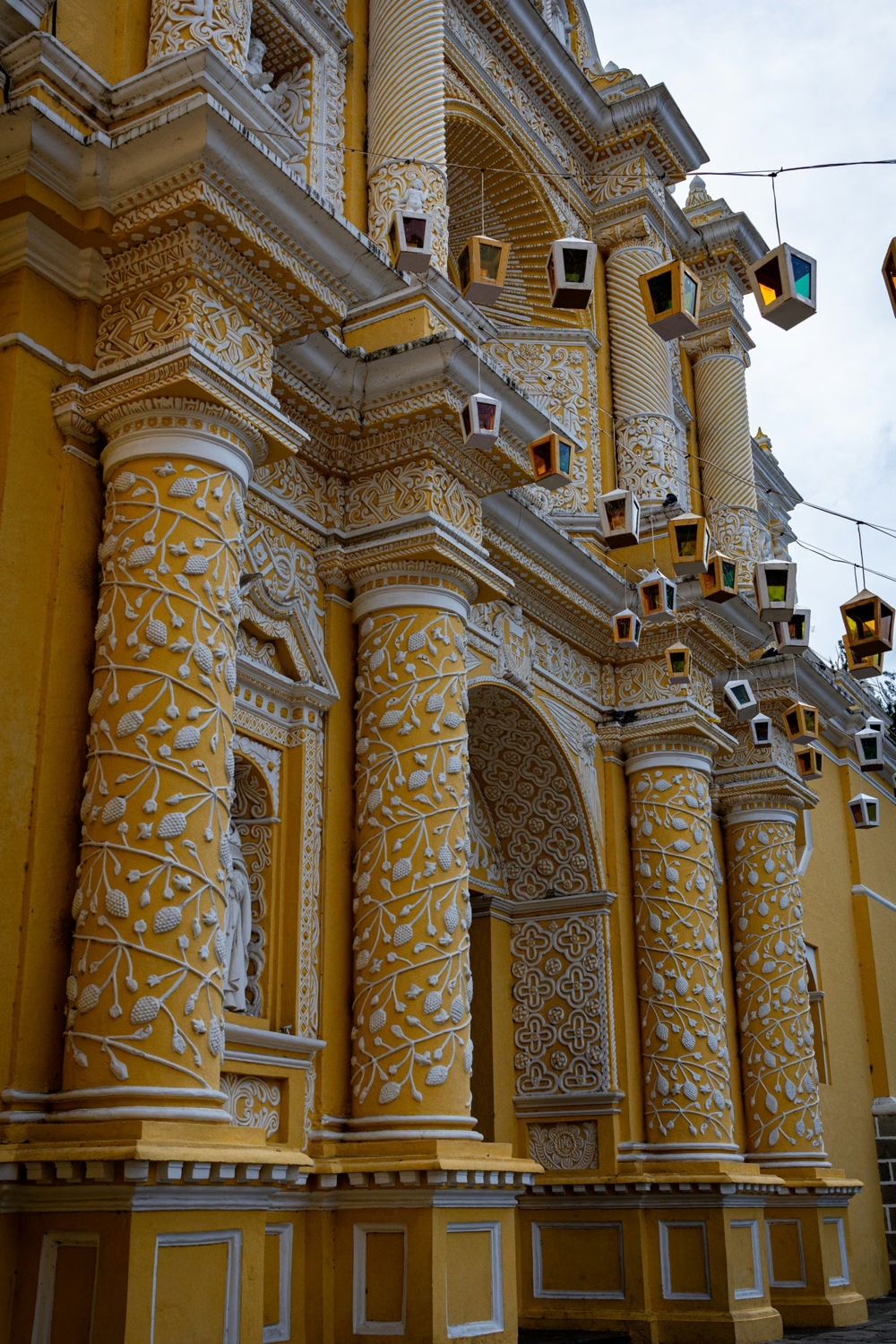
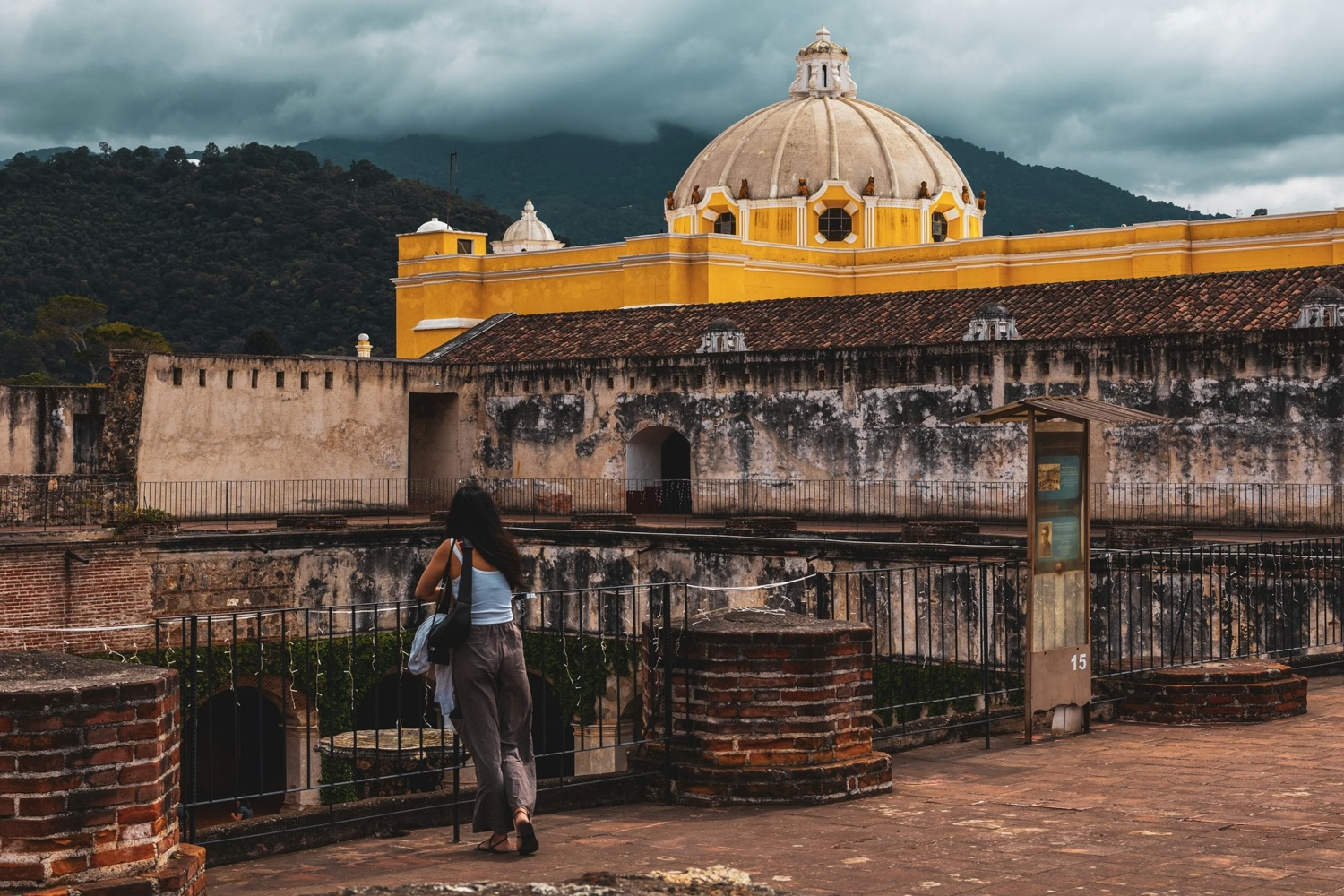
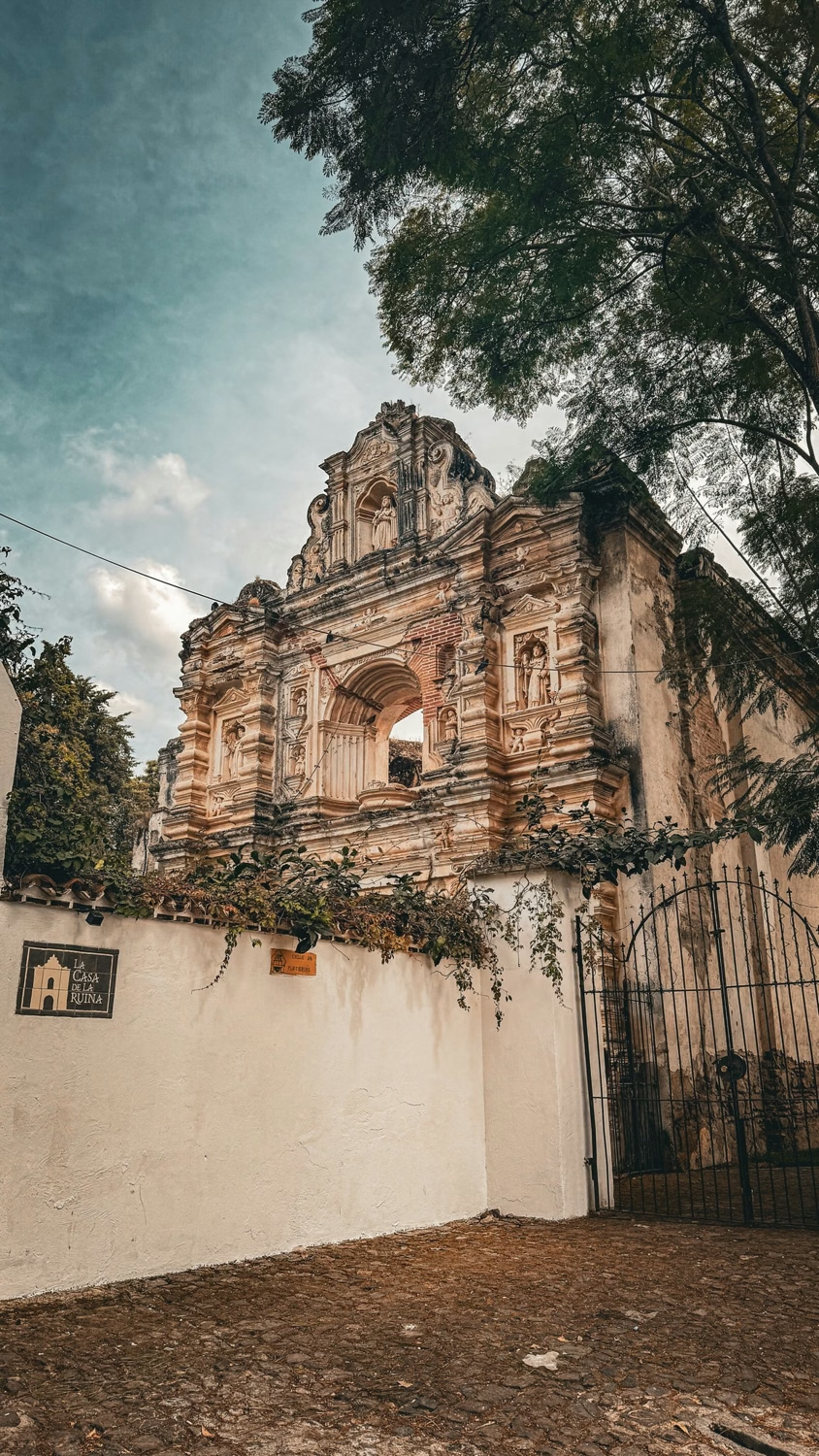
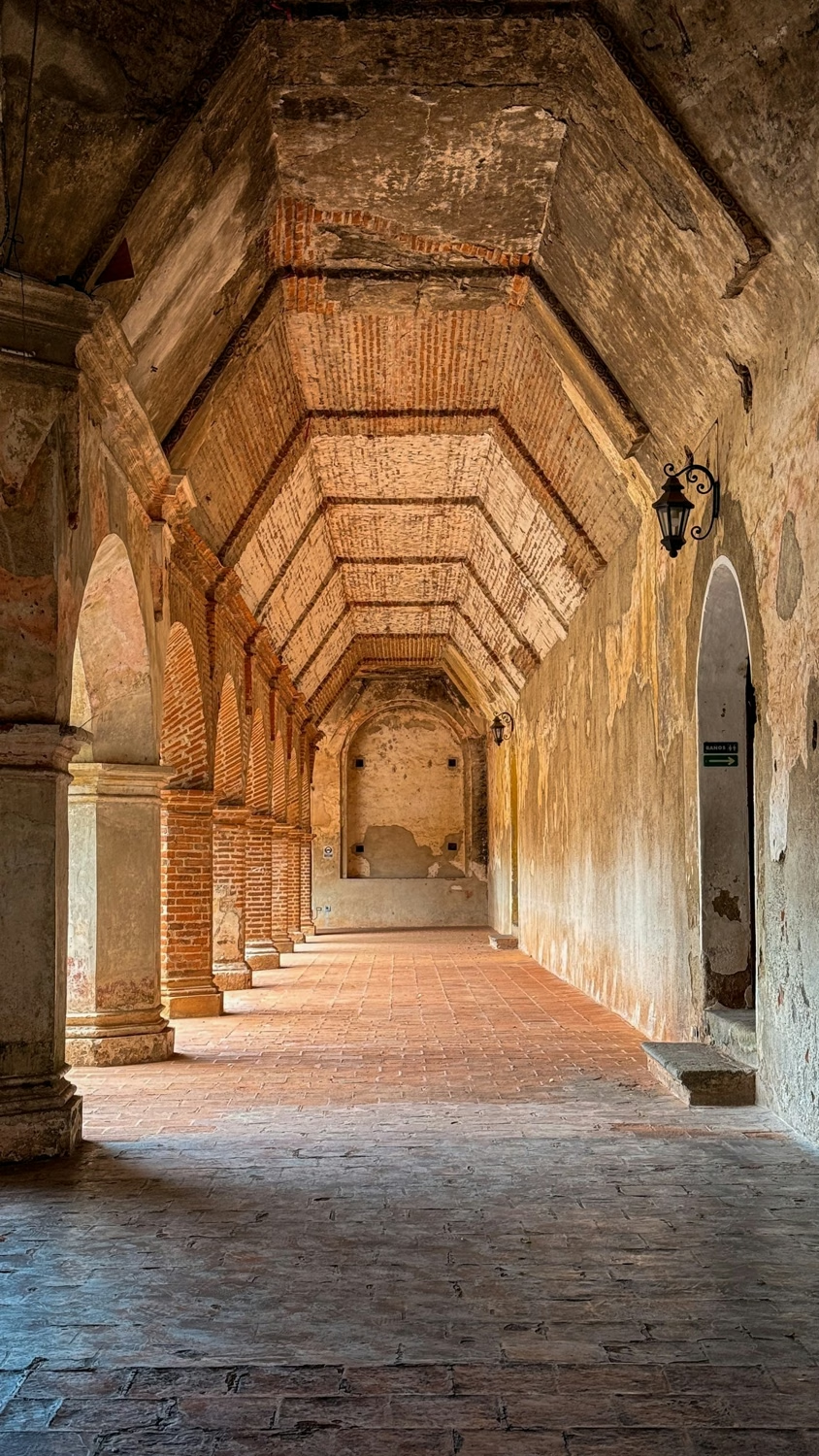
Antigua has been a UNESCO World Heritage Site since 1979, and its streets are lined with colonial churches and ruins, many of them left as they fell after earthquakes. Grab a coffee and just walk, as you'll find a crumbling facade or a vaulted cloister around almost every corner.
Free to walk around · Some ruins charge a small entry fee
Iglesia de San Francisco el Grande
One of the oldest churches in Antigua, begun in 1579, and home to the tomb of Santo Hermano Pedro, who was canonised in 2002. The church is free to visit, while the museum and ruins cost Q40 for foreigners.
Church free · Museum and ruins Q40
Casa Santo Domingo
A former monastery turned luxury hotel and museum, complete with ancient ruins and a candlelit restaurant. Its museums cover everything from colonial art and silverwork to pre-Columbian pieces and modern glass.
Museum entry about Q40 to Q55
Roast marshmallows on Pacaya
A much easier volcano hike than Acatenango, where guides still hand out marshmallows to toast over the hot rocks. It's ideal if you want some volcano action without the Acatenango-level exertion. Hiking with an authorised guide is compulsory.
Half day · Tours from about Q200, including the Q100 park fee
Visit a coffee farm
Antigua is coffee country, and visiting a finca is well worth it. Try Finca Filadelfia, a short drive from town, or De La Gente in San Miguel Escobar, whose four-hour tours let you meet the farmers and watch the roasting process.
Half day · De La Gente tours from about $45
Hobbitenango
A Hobbit-themed eco-park in the hills above Antigua, great for photos and sunset drinks with a Lord of the Rings feel. Book an Uber to Hobbitenango, which will drop you at the car park, then walk to the ticket desk before hopping on the pick-up truck for the ride up. A shuttle also runs from an office near Cerro de la Cruz.
Q50 including the 4x4 ride up · Shuttle Q85 return
Further afield
- Iximché: An underrated alternative to Tikal, this small but historic Mayan site is about 56km from Antigua, or around two hours by shuttle. Entry costs Q50 for foreigners, and it's less crowded and much more relaxed, which makes it an easy day trip.
- Lake Atitlán: One of the most beautiful lakes in the world, surrounded by volcanoes and dotted with Mayan villages that each have their own vibe. Shuttles to Panajachel take two and a half to three and a half hours and cost about Q150 to Q190, so give it two to four days.
- Semuc Champey: A remote paradise of turquoise limestone pools deep in the jungle. It's a long journey from Antigua, about eight and a half hours by shuttle, but if you love nature, we highly recommend it for two or three days.
- El Paredón: Guatemala's best black sand beach town, known for surfing and epic sunsets, two and a half to three and a half hours from Antigua. It's ideal for a quick beach escape from the mountains, though Wi-Fi can be scarce.
Keeping fit
If you're a fellow pavement-pounder, you're out of luck in Antigua, as the pavements are minimal and the cobbles are unforgiving. If you love trails, though, you're in for a treat. The AllTrails app is packed with options, and a short drive away is a paradise for outdoor enthusiasts.
Carmona Trails
Walk · Cycle
Our favourite place in the Antigua area, an outstanding outdoor park on a working coffee and dairy farm in San Juan del Obispo. It has more than 50km of mountain bike and hiking trails plus a separate jump park, and when you're done, there's a pleasant restaurant. Bikes and e-bikes are available to hire. In 2026 it was open from Tuesday to Sunday, 7am to 4pm.
Cerro de la Cruz
Walk
A short, steep climb from the north of town to the best view over Antigua, open from 8am to 5pm. It's a good daily leg-stretcher between calls.
Volcán Acatenango
Walk
The big one, with around 1,500m of climbing to a base camp facing Fuego. If you regularly clock close to 10,000 steps a day, you'll manage just fine.
The AllTrails routes
Run · Walk
The hills around Antigua are full of mapped trails for running and hiking, which make a far better alternative to running on the cobbles.
Gyms and other ways to stay active
La Fábrica, on 1a Avenida Norte, is a great gym in central Antigua. A day pass cost about Q40 when we visited, slightly more than other gyms in town, but it's very well rated and quiet, with quality equipment and a few treadmills. It opens from 5am to 9pm on weekdays, with shorter hours at weekends. Numbeo puts the average monthly gym membership in Antigua at about Q314.
If you love the great outdoors, Antigua is a dream for hiking and trail running. If you're more of a 5K personal best and road racing person, you might struggle to find what you need.
People and community
Antigua has a huge mix of communities, from remote workers and retirees to long-term expats and adventure-seekers, so you'll easily find your tribe. The expat and nomad scene is well established, a cross between older nomads who stay for months and a younger crowd on shorter stays, while most tourists are gone within a day or two.
Spanish helps in the centre and becomes essential in the nearby towns, especially San Antonio Aguas Calientes, where you'll meet very few other foreigners.
Finding your people
El Cubo is the easiest way in if you want a social work routine, as a membership puts you among other remote workers every day. Group tours are another good place to make friends, as an overnight hike up Acatenango with strangers tends to end with them as your weekend crew. If you're staying in a hostel, Somos is a little quiet but very nice.
Tips
Positives
It's one of Guatemala's safest towns.
Tourist police are on almost every corner, and violent crime is rare.
Volcanoes are on your doorstep.
Three of them rise right around the town, and Acatenango is an unforgettable overnight hike.
The coffee culture is amazing.
Antigua is coffee country, with laptop-friendly cafés and farms you can visit.
The nomad scene is strong without feeling overrun.
There's a big community of remote workers and expats.
The climate is mild all year.
The altitude keeps average highs in the mid-20s.
The airport is close.
Guatemala City's airport is 45 to 90 minutes away for onward flights.
Negatives
It's one of the most expensive places in Central America.
Coffee and meals in the centre can rival European prices.
The cobbles are brutal.
They look charming but will batter your ankles and your suitcase wheels.
It can feel stifling after a while.
It's a small town, so you may miss big-city energy.
Road runners will struggle.
The pavements are minimal, so you'll need to head for the trails.
Guatemala City has a bad reputation.
Stick to the safer zones if you go in for flights or errands.
Volcanoes can upset your plans.
Fuego's eruption closed the Acatenango trail for a few days in August 2026.
Tips
Get a Tigo SIM.
Coverage was much better than Claro's, and 15GB for 30 days costs Q120.
Choose your volcano guide carefully.
If a tour is cheap, there's a good reason.
Skip the Fuego hike.
Acatenango is enough, and access to Fuego through the park is banned.
Visit Santa Catalina Arch early.
You'll beat the crowds for the classic photo.
Don't climb Cerro de la Cruz after dark.
It's open from 8am to 5pm, so go in daylight.
Bring proper shoes.
The cobbles will punish anything flimsy.
Book your airport transfer ahead.
Shuttles don't run around the clock, so late arrivals need a private transfer.
Leave plenty of time for your flight out.
Traffic in Guatemala City can double the journey.
Count your 90 days across the region.
Guatemala shares its tourist allowance with its CA-4 neighbours.
Antigua Guatemala · Overall 6.4/10
Work setup 7 · Walkability 6 · Value 4 · Safety 7 · Lifestyle 8 · Visited in January 2025, as part of a month in Guatemala
Working from Antigua Guatemala?
Nomad Register counts your days in Guatemala against the 90-day tourist allowance and turns your trip into a request your employer can approve in a click, across 200+ destinations.
Log your Guatemala trip · For employers
Need sign-off first? Create a free remote work request.
Frequently asked questions
Is Antigua Guatemala good for digital nomads?
Yes, especially if you love the outdoors. It's a small, safe town with good Wi-Fi and a strong café scene, and El Cubo is one of the best coworking spaces we've seen. It's one of the most expensive places in Central America, though, and the nightlife is low-key.
Where should digital nomads stay in Antigua Guatemala?
The historic centre, close to Parque Central, is our pick for a short stay. For a longer stay, the area south of the centre is quieter and cheaper, while Ciudad Vieja and the villages near El Cubo save you money on rent and put you close to the best coworking space in the area.
How long can I stay in Guatemala as a tourist?
British, EU and US citizens can stay for up to 90 days without a visa. The allowance is shared across the four CA-4 countries, which are Guatemala, El Salvador, Honduras and Nicaragua, and you can apply for a single extension through the Instituto Guatemalteco de Migración in Guatemala City.
Does Guatemala have a digital nomad visa?
Not by that name, but since October 2025, Guatemala has offered temporary residence of one to five years to people working remotely for a company abroad. You'll need a fixed income of at least $2,000 a month, or $3,000 with dependants.
How much does it cost to live in Antigua Guatemala as a digital nomad?
Budget about Q6,500 a month before rent, roughly $850, if you eat out most days and pay for coworking and a gym, or closer to Q4,000 if you live more simply. Numbeo puts a one-bedroom flat at about Q6,700 a month in the centre, and one-bedroom Airbnbs were going for about £1,000 a month when we visited.
How fast is the internet in Antigua Guatemala?
Internet was good in most places we tried, with at least 100Mbps, and Ookla put Guatemala's median fixed broadband speed at about 100Mbps in October 2026. For mobile data, Tigo had much better coverage than Claro.
Is Antigua Guatemala safe?
Yes, Antigua is one of the safest places in Guatemala, with tourist police on almost every corner. The US government advises reconsidering travel to Guatemala as a whole because of crime, so book rides rather than hailing taxis and choose reputable volcano guides.
When is the best time to visit Antigua Guatemala?
November to February brings dry, clear weather and the best hiking, and December is our pick. March and April are quieter and warmer, while August to October is the peak of the rainy season.
How do I get from Guatemala City airport to Antigua?
Shared shuttles cost about $17 to $18 a seat and take around an hour and a half, while a private transfer or an Uber costs roughly $35 to $65. Traffic can stretch the journey to two hours at rush hour.
Can you hike Acatenango from Antigua?
Yes, and it's an absolute must-do. Overnight group tours leave from Antigua and climb to a base camp facing Volcán de Fuego, with a Q100 park fee to pay on top. The trail can close when Fuego erupts, as it did for a few days in August 2026, so check before you book.
Is there Uber in Antigua Guatemala?
Yes, Uber works in and around Antigua and from Guatemala City's airport, though drivers sometimes ask for cash or cancel at the last minute. Tuk-tuks are the easiest way to hop around the centre, for about Q10 to Q15 a ride.
What currency does Guatemala use?
The quetzal, written with a Q. In late November 2026, a US dollar bought about Q7.60 and a pound about Q10.10.
Where next
- Lake Atitlán: a volcano-ringed lake of Mayan villages, around three hours from Antigua by shuttle
- Mexico City: one of the biggest nomad hubs in the Americas, with food to match
- Panama City: a walkable old town, with Copa flights to Guatemala City several times a day
- Oaxaca: a colonial city in southern Mexico, famous for its food and mezcal
- Guatemala visa and tax information: stay limits and tax residency at a glance
- All city guides
About this guide
James is the founder of Nomad Register and has been a full-time digital nomad for around two years. He spent part of a month in Guatemala in January 2025, basing himself in Antigua, where he worked from cafés and coworking spaces and hiked Acatenango. This guide is based on that visit, with facts and prices checked in November 2026. You can read his original trip report on The Nest.
This guide is for general information only and is not legal or tax advice. Visa rules and prices change, and volcano trails can close at short notice, so confirm entry requirements with Guatemala's authorities or your government's travel advice before you travel.