Ecuador · Visited March 2025 · Moved here six months later
Cuenca for Digital Nomads
Ecuador's colonial highland city, where there's a café on every corner and the weather feels like spring all year.
Superb café culture · One of Ecuador's safest cities
By James, founder of Nomad Register · Updated November 2026
Cuenca at a glance
- Overall
- 7.4/10
- Work setup
- 7/10
- Walkability
- 7/10
- Value
- 8/10
- Safety
- 8/10
- Lifestyle
- 7/10
- Living costs
- About $750 a month before rent
- Tourist stay
- 90 days in any 12 months for most visitors, extendable once
- Nomad visa
- Available: a two-year visa for remote workers earning $1,446 a month
- Time zone
- ECT (UTC-5) all year, with no daylight saving
- Currency
- US dollar
- Internet
- Gigabit internet is widespread throughout the city
- Airports
- CUE (Cuenca), domestic flights only
- Population
- About 600,000 (canton), about 360,000 (urban area)
- Plugs
- Types A and B, 120V
Climate: Mild all year at around 2,500m, with chilly mornings and the driest weather from June to September (best month: August). Jan 11–22°C, 58 mm rain; Feb 11–21°C, 85 mm rain; Mar 11–21°C, 113 mm rain; Apr 11–21°C, 123 mm rain; May 11–21°C, 86 mm rain; Jun 10–20°C, 47 mm rain; Jul 9–19°C, 28 mm rain; Aug 10–20°C, 20 mm rain; Sep 10–20°C, 50 mm rain; Oct 11–22°C, 91 mm rain; Nov 10–22°C, 86 mm rain; Dec 11–22°C, 90 mm rain
Overview
One of our favourite cities in South America
Cuenca sits in a green valley in the southern Ecuadorian Andes, around 2,500m above sea level, with about 600,000 people in the wider canton. Its colonial heart, officially the Historic Centre of Santa Ana de los Ríos de Cuenca, has been a UNESCO World Heritage Site since 1999, and the Río Tomebamba runs along its southern edge, separating the old town from the newer city beyond. Ecuadorians call it the Athens of Ecuador for its long tradition in education and the arts. For remote workers, the draw is a remarkable number of good cafés and a handful of excellent coworking spaces, while prices in US dollars go a long way.
We first came in March 2025, staying next to Parque San Sebastián on the western side of the old town, and Cuenca turned out to be our favourite city in all of Latin America. We liked it so much that we moved here six months later. It's far better known to North American and European retirees than to nomads, and that's part of its charm, as the cafés haven't been overrun by laptops and the city still feels like it belongs to the people who live here.
A few things have changed since our first visit. Avianca restarted a daily flight from Guayaquil in November 2026, and intercity bus fares across Ecuador rose by a quarter in the middle of the year. Uber now works well in the city, and metered taxis remain cheap and easy to find. The road over El Cajas to the coast, the most direct route to Guayaquil, was also closed by a landslide in October 2026, so check its status before you travel overland.
For a first stay, come between June and September and give it at least a month. Base yourself in El Centro or around Parque San Sebastián, then find your café and spend your weekends running along the river or hiking in El Cajas.
Book the next flight
"If you're not a big fan of the huge nomad hotspots like CDMX and Buenos Aires, then 100% yes, book the next flight. It's one of the most charming cities in all of Latin America."
James, founder of Nomad Register
Cuenca suits you if
- you'd rather live somewhere that feels local than join a big nomad scene
- you love working from cafés, as the city seems to have one on every corner
- you want a mild climate without the heat and humidity of the coast
- you run, cycle or hike, with riverside paths in town and El Cajas on the doorstep
It's less suited to you if
- you want co-living and a big English-speaking nomad crowd
- you need direct international flights, as every route connects through Quito or Guayaquil
- you struggle at altitude, as the city sits around 2,500m above sea level
At a glance
Work setup · Good · 7/10
Cuenca has a handful of high-quality coworking spaces with plenty of room, and its cafés are relaxed about laptops because they haven't been overrun with nomads. Impaqto was our base for two weeks and worked well, if a little pricey. Whilst gigabit internet is common, the coworking connection occasionally dipped and Claro's 4G had blackspots in the old town, which keeps the score at a 7.
Walkability · Good · 7/10
The historic centre is compact and a joy to explore on foot, and long riverside paths run right through the city. The altitude takes a week or two to get used to, though, and neighbourhoods such as Puertas del Sol and Yanuncay are a 20 to 40-minute walk from the centre, so you'll lean on cheap metered taxis and the tram more than you would in a flat European city.
Value · Great · 8/10
Cuenca is very affordable, and because Ecuador uses the US dollar, there are no exchange rates to worry about. A set lunch in the centre costs about $3.50 and Numbeo puts a one-bedroom flat in the centre at about $555 a month. Airbnbs right in the middle of the old town can rival European prices, but there are plenty of small studios for well under $1,000 a month, and private local listings cost far less.
Safety · Great · 8/10
Cuenca is widely regarded as the safest big city in Ecuador, and it felt that way to us, with locals out late in the plazas and people texting on the street without a care. On how it feels day to day, we'd give it a 9. Ecuador's wider security problems, which are worst on the coast, and the pickpocket warnings in the centre keep the score at an 8.
Lifestyle · Good · 7/10
The café scene is sensational and the old town is beautiful, while El Cajas puts superb hiking half an hour away. Running and hiking clubs make it easy to stay active. The nomad community is small, though, and the wet season can be grey for weeks, so Cuenca suits people who are happy to build their own routine.
Plan
Getting there and getting around
Getting to Cuenca takes a little more effort than reaching most of the cities we've reviewed. Its airport only has domestic flights, so you'll fly into Quito or Guayaquil first and then take a short connecting flight or travel overland from Guayaquil.
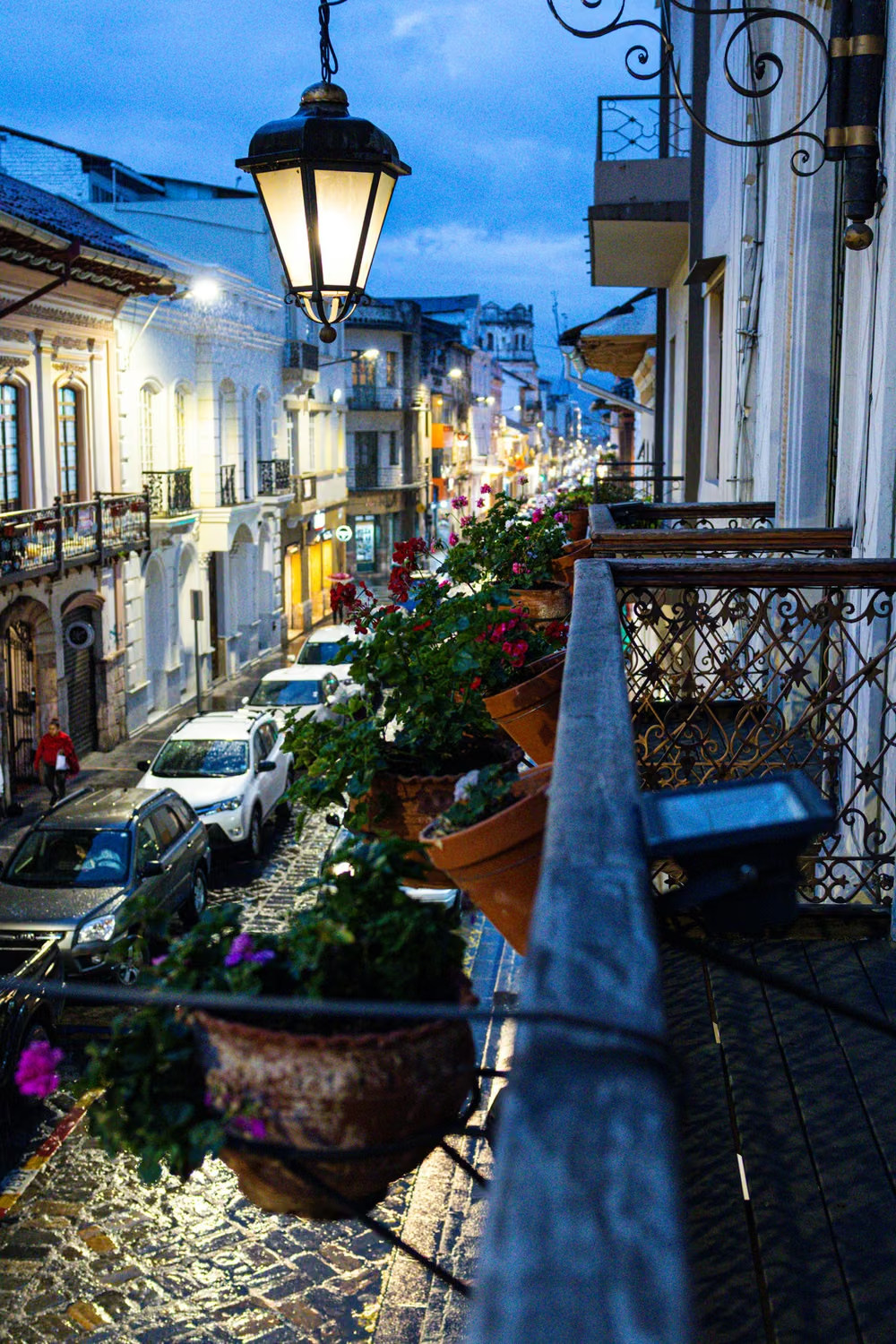
By air via Quito or Guayaquil
Fastest
Avianca and LATAM fly between Quito and Cuenca around six times a day, and the flight takes about an hour. From Guayaquil, Avianca has run a daily flight since 1 November 2026, taking about 50 minutes, with one-way fares from around $50 when it launched. There are no international routes, and charter flights to Chiclayo in Peru were cancelled in November 2026 for lack of demand. Cuenca's Mariscal Lamar airport sits inside the city itself, so the historic centre is a short taxi ride away.
LATAM also flies from Cuenca to Baltra in the Galápagos via Quito twice a week, on Tuesdays and Saturdays, which makes the islands an easy add-on to a stay.
By shared van from Guayaquil
Cheapest
This is how we arrived. We flew into Guayaquil and took a seat in a shared 12-seater minivan, known locally as a furgoneta, run by a company called Operazuaytur. The journey took about three and a half hours, including a 20 to 30-minute stop after two and a half hours, which felt unnecessary. Several companies run these vans, and Alianza operates 15-seat vehicles straight from Guayaquil airport every 30 minutes between 3am and 10pm, for $12 a seat in mid-2025. Intercity bus fares rose by 25% in mid-2026, so expect to pay a little more now. Regular buses from Guayaquil's main bus terminal cost $11.50.
The most direct road from Guayaquil climbs over El Cajas via Molleturo and is prone to landslides. It was closed completely by one on 11 October 2026, with no reopening date announced at the time, so check its status with your van company before you travel.
By private tour via El Cajas
Best for groups
When we left Cuenca for Guayaquil, we took a private tour, and we're so glad we did. You're picked up at around 9am and driven up to El Cajas National Park for an easy hike of around an hour, before crossing a pass above 4,000m and descending towards the coast. After lunch at a local spot, you visit an independent cacao farm and make your own chocolate. The whole trip takes about six hours. In 2025 it cost about $200 for one person or about $100 each in a group of four, booked through Viator, and although it's listed as Cuenca to Guayaquil, you can ask to do it in the other direction. It depends on the Cajas road being open, so check before you book.
Getting around the city
The historic centre is best explored on foot, and the riverside paths make walking between neighbourhoods a pleasure. For anything further, taxis are plentiful and cheap. They're metered by law, with a minimum fare of $1.39 during the day and $1.67 at night, and most trips across town cost no more than about $2.50. Make sure the meter is on when you set off. The easiest way to book one is AzuTaxi, an app run by the city's taxi cooperatives, which lets you summon a car to your location and pay what's on the meter.
Uber started operating in Cuenca in late 2025, and InDrive and DiDi drivers work here too. All three work fine and are usually easy to get, though metered taxis are still the cheapest option.
The Tranvía, Cuenca's tram, runs for 10.7km through the city with 27 stops. A single ticket costs $1, or $0.35 with a rechargeable card, which has to be registered with an Ecuadorian ID number. City buses cost $0.40 and are paid with a card too. Cuenca also has a public bike-share scheme, run by the city's mobility agency, EMOV, along with several bike lanes and green corridors.
Cost of living
About $750 a month before rent
That's our estimate for one person who eats out regularly and pays for a coworking membership and a gym. Numbeo puts the monthly costs for a single person, before rent, at about $500, so if you work from home and cook more, you'll spend a lot less.
| Item | Typical price |
|---|---|
| Cappuccino, average | $2.69 |
| Almuerzo (set lunch) in the centre | $3.50 |
| Lunch at a Mercado 10 de Agosto food stall | $3–5 |
| Domestic draught beer, pint | $2 |
| City bus fare | $0.40 |
| Tram, single ticket | $1 |
| Taxi, daytime minimum fare | $1.39 |
| Bus from Guayaquil's main terminal | $11.50 |
| Coworking, unlimited monthly at Impaqto (2025 price) | $197 |
| Gym, monthly average | about $30 |
| Prepaid SIM, Claro 10GB for 30 days | $10.50 |
| One-bedroom flat in the centre, monthly average | about $555 |
| One-bedroom flat outside the centre, monthly average | about $410 |
| One-bedroom Airbnb near Parque San Sebastián (what we paid in March 2025) | £600, about $775 |
Sources: our visit in March 2025, Numbeo (coffee, beer, gym and rent averages, updated November 2026), CuencaHighLife (almuerzo), Wanderlog (market lunch), El Mercurio (bus and taxi fares), Expreso (tram), Primicias (bus fare from Guayaquil) and Claro's prepaid tariffs, checked November 2026. We paid £600 for our Airbnb, converted at the March 2025 average rate. Confidence: medium.
Ecuador swapped its own currency, the sucre, for the US dollar in January 2000, so prices are easy to follow and there's nothing to convert if you earn in dollars.
Finding somewhere to live is easier than in most nomad cities. Airbnbs right in the middle of the historic centre can approach European prices, but there are plenty of small studios for well under $1,000 a month, and if you can find a private local listing, you'll pay much less. Numbeo's averages put a one-bedroom flat at about $555 a month in the centre and about $410 outside it. Booking an Airbnb for your first few weeks and then looking around in person is a good way to find something better value.
When to visit
Spring all year, with a drier spell from June to September
Thanks to its altitude, Cuenca has a mild climate all year round. Average highs sit between 19°C and 22°C in every month and lows between 9°C and 11°C, so you won't get the tropical heat of Guayaquil, but mornings are chilly and the weather is famously changeable. Pack a jacket, even on a sunny day.
The best time to come is between June and September, the dry season, when the city has its sunniest weather. It's perfect for working from a terrace or heading up to El Cajas, and August, the driest month of the year, is our pick. This is also the high season for tourism, though Cuenca never feels overrun. May and October are good shoulder months, still pleasant but with fewer visitors.
The wettest stretch runs from February to May, peaking in April, and rain returns from October to December. It usually comes as afternoon showers rather than all-day downpours. We visited in March and found it was half rain and half sun, with cold mornings and pleasant afternoons.
Cuenca also celebrates well. The Fiestas de Independencia mark the city's independence on 3 November 1820 with weeks of concerts and fairs, and the 2026 programme ran to more than 330 events between late October and early December. On 24 December, the Pase del Niño Viajero brings a Christmas Eve procession through the city. In late May or June, the Septenario around Corpus Christi fills Parque Calderón with stalls selling traditional sweets, and Carnaval, on 8 and 9 February in 2027, is a national holiday.
| Month | High | Low | Rain | Notes |
|---|---|---|---|---|
| January | 22°C | 11°C | 58mm | Mild, with afternoon showers |
| February | 21°C | 11°C | 85mm | Carnaval on 8 and 9 February 2027 |
| March | 21°C | 11°C | 113mm | Half sun, half rain on our visit |
| April | 21°C | 11°C | 123mm | The wettest month |
| May | 21°C | 11°C | 86mm | Drying out, a good shoulder month |
| June | 20°C | 10°C | 47mm | The dry season begins |
| July | 19°C | 9°C | 28mm | The coolest month, crisp and dry |
| August | 20°C | 10°C | 20mm | Our pick, and the driest month |
| September | 20°C | 10°C | 50mm | Dry and pleasant |
| October | 22°C | 11°C | 91mm | Fewer visitors, but the rain returns |
| November | 22°C | 10°C | 86mm | Independence celebrations around 3 November |
| December | 22°C | 11°C | 90mm | Pase del Niño Viajero on 24 December |
Source: INAMHI climate normals for Cuenca (1981 to 2010), published by the World Meteorological Organization.
How long to stay
A month or two is ideal, long enough to settle into a café routine and get properly acclimatised to the altitude. Ecuador's 90-day tourist allowance runs over 12 months, so if you want to stay longer, you'll need to extend it or apply for the digital nomad visa.
Working remotely and visas
Digital nomad visa available
- Tourist stay
- 90 days in any 12 months, extendable once by 90 days
- Nomad visa
- Temporary residence for up to 2 years
- Income
- $1,446 a month in 2026, three times the basic salary
- Fees
- $50 to apply and $270 when the visa is granted
- Time zone
- ECT (UTC-5) all year
British, EU and US citizens can visit Ecuador without a visa for up to 90 days in any 12-month period. Multiple entries are fine, but the days add up, and leaving the country doesn't reset the count. Your passport must be valid for at least six months from the day you arrive, and you may be asked to show a return or onward ticket.
If you want to stay longer, you can extend your stay once, for up to 90 more days, by applying to the Ministry of the Interior online or in person before your first 90 days run out. The fee is a third of Ecuador's basic salary, which works out at about $161 in 2026. Track your days carefully, as overstaying can lead to a fine.
Can you work remotely on a tourist stay?
Not officially. Ecuador's human mobility law says tourists can't carry out work or economic activities, and Ecuador hasn't changed its rules to allow remote work on a tourist stay. Answering emails for a foreign employer during a holiday is a grey area that the law doesn't specifically address, but if you plan to work from Cuenca for weeks at a time, the nomad visa is the proper route. Our guide to working remotely on a tourist visa explains the risks.
The digital nomad visa
Ecuador's digital nomad visa, officially a temporary residence visa for remote work in the rentista category, is one of the more accessible nomad visas around, thanks to its low income threshold. We applied for it ourselves and found it straightforward and cheap, with a low income requirement and a quick process. You need to work remotely for an employer or clients outside Ecuador, or own a company registered abroad, and show foreign income of at least three times Ecuador's basic salary. In 2026 that's $1,446 a month over the three months before you apply, or savings of $17,352 for each year of the visa, plus $250 a month for each dependant.
You'll also need health insurance that covers you in Ecuador for the whole visa period, along with a criminal record certificate from your home country that's been apostilled and translated into Spanish. The application is made online through the Foreign Ministry's e-VISAS system, and you can apply from inside Ecuador while you're on a tourist stay. It costs $50 to apply and $270 when the visa is granted, and the visa lasts for up to two years. The basic salary for 2027 was still being negotiated in late November 2026 and is set by the end of December, so expect the income threshold to rise slightly in January. Our Ecuador digital nomad visa guide covers the full requirements.
Spend 183 days or more in Ecuador in a calendar year, consecutive or not, and you'll become a tax resident. A second test catches 183 days in any 12-month period spanning two calendar years, unless you can prove you're tax resident somewhere else. Residents pay Ecuadorian income tax at rates of up to 37%, so if you're staying long term, take advice and keep an eye on your day count.
Working hours
Mainland Ecuador runs on Ecuador Time, five hours behind UTC all year, with no daylight saving. That suits teams in the Americas well. You're on the same time as New York in the northern winter and an hour behind it in summer, while the US West Coast is three hours behind, or two in summer. The UK is five hours ahead in winter and six in summer, so European teams get your mornings and you'll have the afternoons to yourself. Use our time zone overlap calculator to find the hours that work.
Lunch is the main meal of the day, and many cafés and restaurants serve a filling almuerzo, a set lunch of soup and a main, for around $3.50.
If your employer needs to approve the trip first, you can create a free remote work request and send it to them for sign-off.
Safety
One of the safest cities in Ecuador
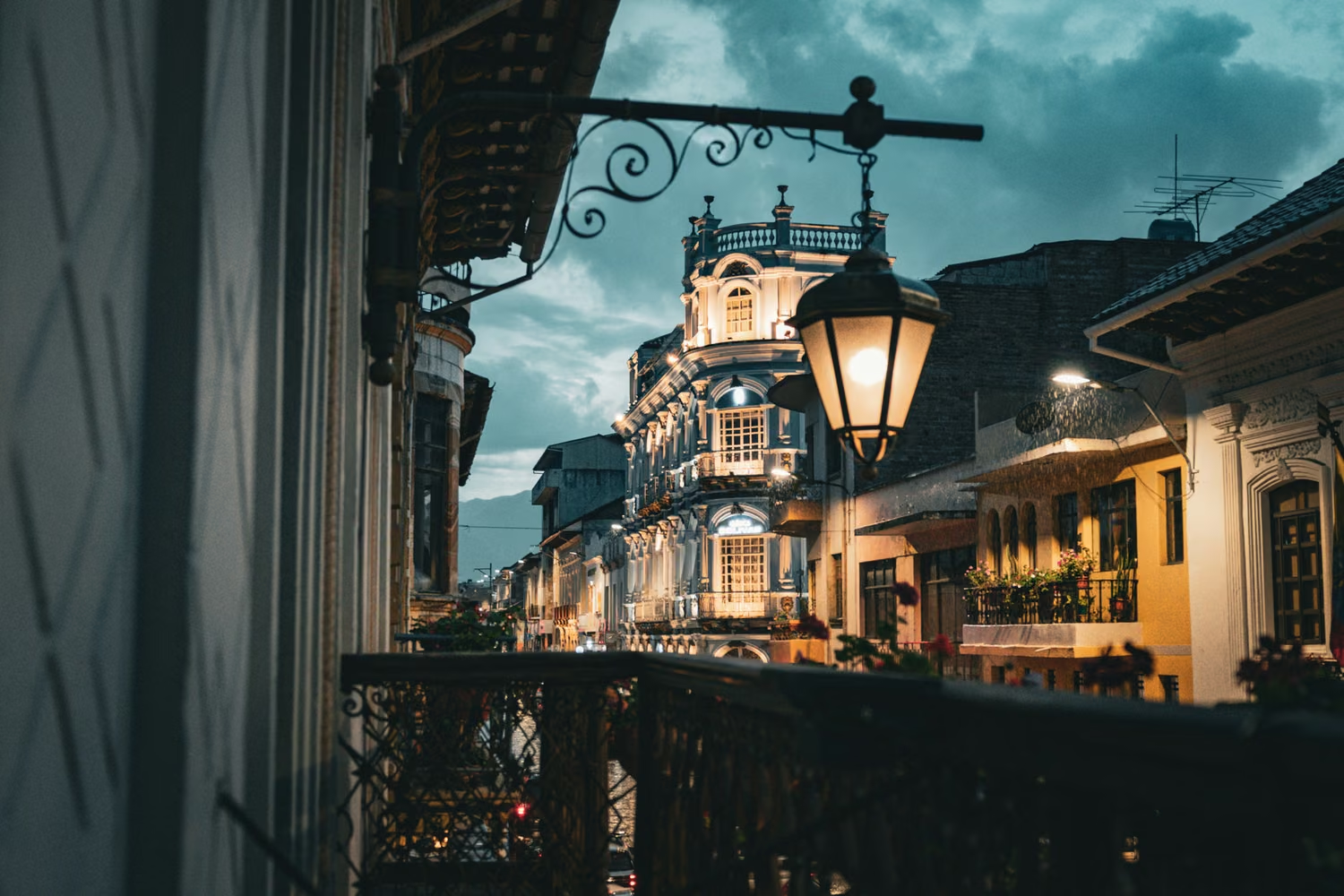
Cuenca is widely regarded as one of the safest cities in Ecuador, and some would argue it's the safest. Compared with Guayaquil or Quito, it feels remarkably calm and secure. The historic centre is always buzzing, but never in a way that feels chaotic or edgy, and you'll see locals walking around late into the evening and children playing in the plazas. Nothing says safe like people texting on the street without a care in the world.
Ecuador as a whole has had a difficult few years, though, and it's worth understanding where the risks lie. In November 2026, the government extended a state of emergency covering eight provinces, mostly on the coast, including Guayas and Pichincha, but Cuenca isn't covered by it. The US government rates Ecuador at Level 2, exercise increased caution, with its strongest warnings reserved for specific areas such as parts of Guayaquil and Esmeraldas, and Cuenca isn't among them.
Petty theft still happens, especially in crowded areas, and there are signs warning of pickpockets in the centre. Neighbourhoods such as El Centro and El Vergel are clean and very liveable, and most parts of the city you're likely to visit feel perfectly safe to walk around at night.
Practical advice
- Keep your phone and wallet out of reach in busy markets and around the central plazas.
- Use metered taxis, ideally booked through AzuTaxi, and check the meter is running.
- Read the UK or US travel advice before heading to the coast or through Guayaquil, where the risks are much higher.
- Save 911, Ecuador's emergency number, which also has its own app, ECU 911.
Cuenca's tap water is treated by ETAPA, the city's water company, and is often described as the best in Ecuador. If you're only in town for a short stay or have a sensitive stomach, though, a filter or bottled water is the cautious choice.
Healthcare
Cuenca's main public hospital is the Hospital Vicente Corral Moscoso, while the Hospital José Carrasco Arteaga serves members of IESS, the national social security system. For private care, the Hospital Universitario del Río and the Hospital Monte Sinaí both appear on the UK government's list of hospitals in Ecuador, along with the Clínica Santa Ana.
Travel insurance is essential for a visit, and if you apply for the digital nomad visa, you'll need health insurance that covers you in Ecuador for the whole visa period. Once you're a resident, you can join IESS voluntarily, paying 17.6% of your declared income with a minimum of about $85 a month in 2026. In an emergency, call 911.
The altitude affects most people for the first few days, so take it easy and save hard runs and hikes until you've adjusted. We found it took a week or two before running felt normal again.
Live & work
Where to stay
Cuenca is compact, and most nomads stick to a few neighbourhoods in or close to the historic centre. The old town is where most of the charm lies, but there are a few quieter, more residential areas within walking distance of everything you'll want, as well as some further out that suit longer stays. We stayed next to Parque San Sebastián on our first visit, later lived in Yanuncay for a few months and are now based between El Centro and El Vergel.
El Centro
Our pick
This is Cuenca's UNESCO-listed historic centre, and it's where you'll find most of the charm, with colonial architecture and cafés on every street. Most Airbnbs are based here, and it's wonderfully walkable. On our travels we've often steered clear of historic centres in Latin American cities, which can be grubby and unsafe, but Cuenca's breaks the pattern. It's stunning and spotless, with well-maintained streets and loads of great places to stay. Some streets are noisy, so check reviews carefully.
Pros
- Walkable, full of life and culture
- Great cafés, restaurants and markets
- Fast internet is widely available
- Close to the river paths
Cons
- Noisy streets and traffic in parts
- Airbnbs in the very centre can be pricey
Rent guide: around $555 a month for a one-bed (Numbeo's city-centre average)
Work from: Majoni by Parque Calderón, Nómadas on Calle Larga or La Ofi
San Sebastián
Where we stayed
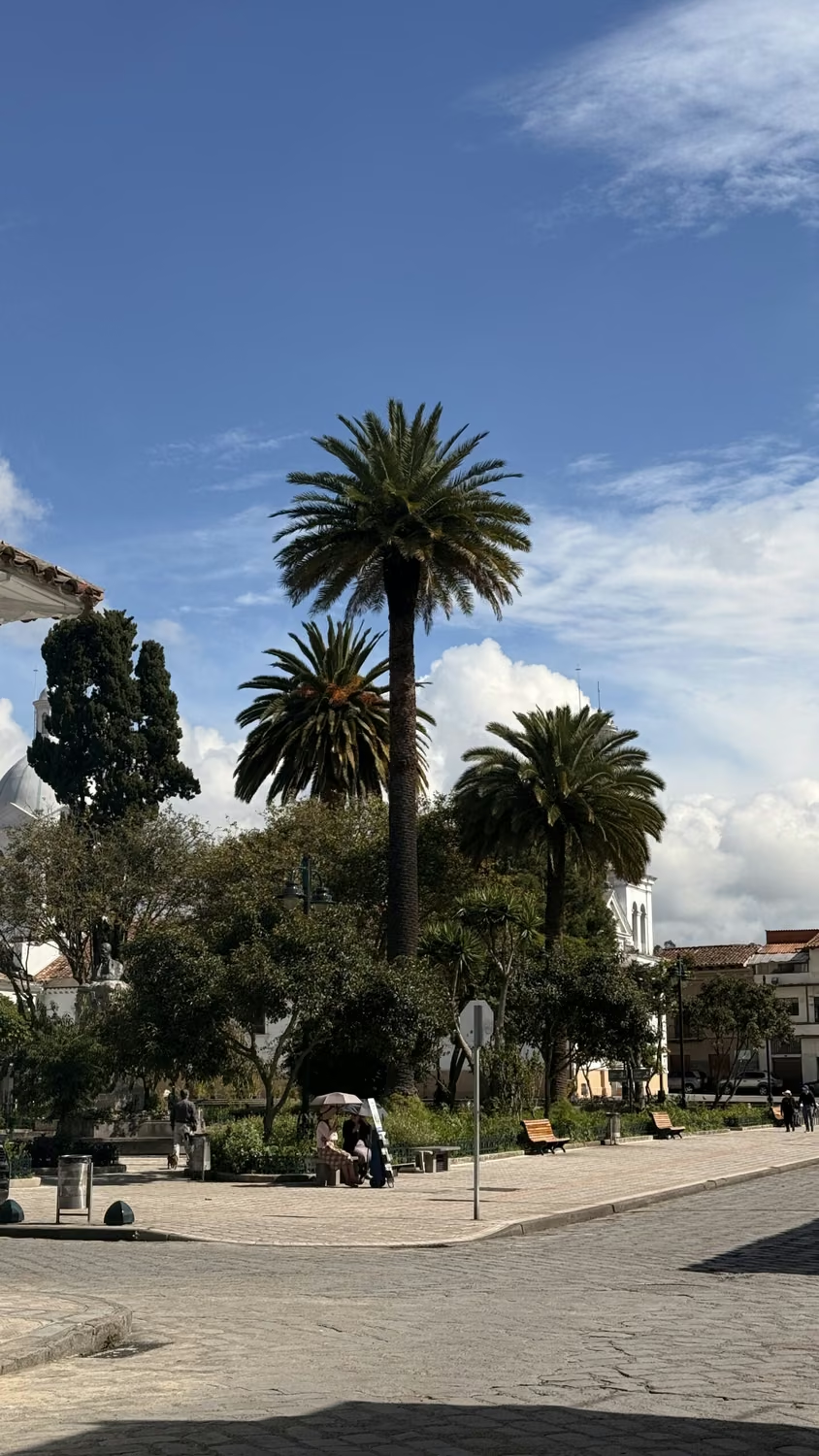
Pretty much still within El Centro, the western end of the old town around Parque San Sebastián feels like a little city within a city. It's slightly quieter than the central historic area but still within a few minutes' walk of everything, and the city's modern art museum is here too. This is where we stayed, and we loved it. Parque San Sebastián is beautiful and very peaceful, and we'd happily recommend the area to anyone.
Pros
- More relaxed than the core of El Centro
- Still central and walkable
- Some great local restaurants
- A beautiful, peaceful plaza
Cons
- Prices similar to the rest of the old town
Rent guide: around $555 a month for a one-bed (Numbeo's city-centre average)
Work from: the cafés of El Centro, a few minutes' walk east
El Vergel
Residential with café culture
South of El Centro, across the river, El Vergel is a leafy residential area that still feels local but has a growing number of cafés and restaurants. It's close to Parque de la Madre and the river trails, which makes it great if you want a quieter base while still being close to town. We now live on its edge, between El Vergel and El Centro.
Pros
- Quiet but walkable to El Centro
- Green spaces and trails nearby
- More modern apartments available
- Close to Impaqto's coworking space
Cons
- Fewer Airbnbs
Rent guide: from about $410 a month for a one-bed (Numbeo's average outside the centre)
Work from: Impaqto, by Parque de la Madre
Puertas del Sol
Suburban and long-term
To the west of the city, Puertas del Sol is a newer, more upscale residential neighbourhood popular with long-term expats. If you're planning to live in Cuenca, it's one of the best areas that's still relatively central, and it sits right on the river trail, which is great for walking and running.
Pros
- Modern apartments and quiet streets
- Popular with long-term expats, and right on the river trail
Cons
- A 20 to 30-minute walk from El Centro
- Not much nightlife or café culture
Rent guide: from about $410 a month for a one-bed (Numbeo's average outside the centre)
Work from: home, or a short taxi ride into El Centro
Ordóñez Lasso
Expat favourite
This is the stretch of Avenida Ordóñez Lasso heading west out of Cuenca, unofficially nicknamed Gringolandia because of its popularity with North American expats. It's full of newer apartment buildings and supermarkets, along with American-style comforts, but it's a short bus or taxi ride into the city centre.
Pros
- Modern apartments with great amenities
- Quiet and safe, with more English spoken and plenty of expat services
Cons
- About 30 minutes' walk from El Centro
- Lacks charm and authenticity
Rent guide: from about $410 a month for a one-bed (Numbeo's average outside the centre)
Work from: home, or a taxi into El Centro
Yanuncay
Green and spacious
Yanuncay is a large neighbourhood south of the centre, so there are good spots and not-so-good spots. We lived here for a few months and loved it. It's peaceful, modern, green and very charming, but it can feel a little dull if you're on your own, which is why we moved somewhere more central.
Pros
- Lots of green space
- Peaceful and modern
- Close to the Mall del Río for shopping
- Cycle paths and trails aplenty
Cons
- Much more remote than the other options, at 40 minutes or more on foot from El Centro
- Can feel a little dull if you're on your own
Rent guide: from about $410 a month for a one-bed (Numbeo's average outside the centre)
Work from: home, or Impaqto across the river
Rent guides are Numbeo's November 2026 city averages for an unfurnished one-bedroom flat, as no reliable neighbourhood-level figures exist. Furnished flats and Airbnbs usually cost more, while private local listings can cost less.
Where to work
Cuenca has some really high-quality coworking spaces and an abundance of cafés. Unlike many Latin American cities, café surfers are rare here, so working from a café isn't frowned upon, and you'll often have the pick of the tables. The city is more popular with retirees than nomads, which means the coworking spaces have lots of availability too.
Cafés
Majoni Bistronomie
El Centro, by Parque Calderón · Our favourite · A smart café and bistro on Benigno Malo, a few steps from the main square
Probably the most upmarket café in central Cuenca, and we loved it. It's our number one café in the city, right next to Parque Calderón, which makes it an easy place to settle in for a morning's work before exploring the old town.
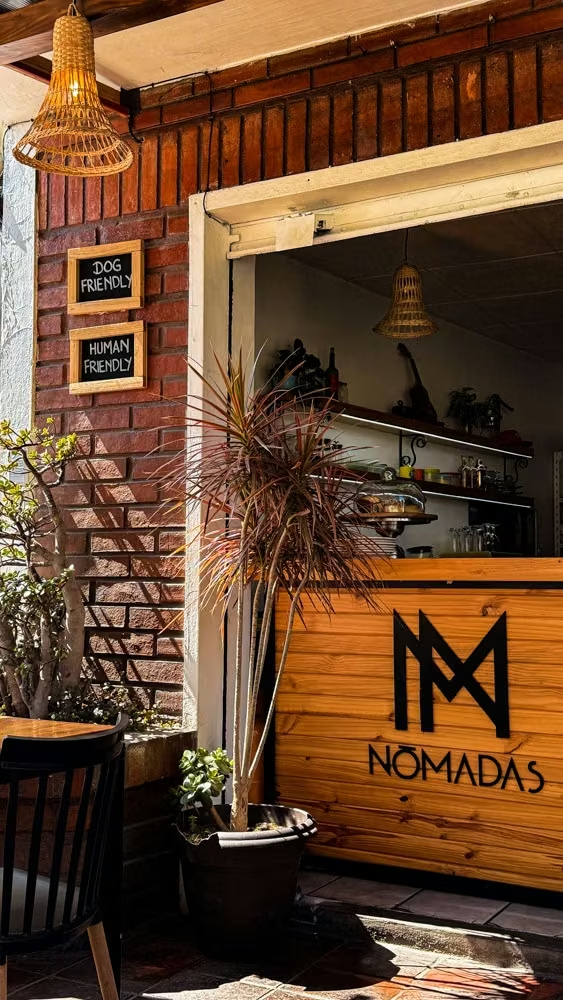
Nómadas
Calle Larga · Our pick · Open Tuesday to Sunday from 8am to 3pm
One of our favourite spots in Cuenca, with a lovely atmosphere, killer coffee and great food. Don't leave without trying the cookies. It's on Calle Larga, close to the river, so you can finish a morning session with a walk along the Tomebamba.
Coworking
Impaqto
Av. 12 de Abril, by Parque de la Madre · Top choice · Open weekdays from 8am to 8pm, with day passes, hourly blocks and memberships
Impaqto is a start-up incubator and coworking chain with spaces across Ecuador, including Quito and Guayaquil. It's a little on the pricey side, and there were a couple of moments when the internet lagged, but for the two weeks we used it, it was great. Speeds were usually around 30Mbps, occasionally dipping much lower, though that was rare. When we used it in 2025, plans were sold in blocks of hours, with unlimited access at $197 a month, which works out at under $2 an hour if you're there 30 hours a week. You can bring your dog, too, which earns it extra points from us.
La Ofi
El Centro, Simón Bolívar · A central coworking space with a photo studio that members can use
La Ofi is more central than Impaqto, right in El Centro, and its photo studio is a nice bonus if you create content. We didn't try it ourselves, but its hourly packages looked better value than Impaqto's for casual users, so it's worth a look if you only need a desk now and then.
There are plenty of other options too. Coworking Cuenca and Selfie Coworking are both active, and the Casa de la Cultura opened a cultural coworking space on Luis Cordero in January 2026. When we visited, the University of Cuenca's Casa Rivera, beside the river, offered a free one, though it's open plan and the river can be noisy.
Internet and SIM cards
Home internet is generally good. Our Airbnb comfortably passed 80Mbps, and Ookla put Ecuador's median fixed broadband speed at about 200Mbps in 2026, which is plenty for video calls, though it's still worth asking your host for a speed test screenshot before you book. Mobile coverage is patchier. We had a few annoying 4G blackspots in the old town with Claro, so it's worth trying Movistar or CNT if you find the same. Claro sells a tourist SIM for $4 that you can activate with your passport, and its prepaid plans include 10GB for 30 days at $10.50.
Food & drink
Cuenca's café and restaurant culture is truly amazing, to the point that it's almost suspicious. The city must have one of the highest concentrations of excellent cafés anywhere in Latin America, and a number of really good high-end restaurants too. It's no Lima, and there are no Michelin stars yet, but there's plenty to keep a food lover busy.

What to eat
- Hornado: Cuenca's signature dish, slow-roasted pork marinated in citrus. The best place to try it is the Mercado 10 de Agosto, where you should look for the busiest stand.
- Cuy: Guinea pig, a traditional Andean dish. We didn't try it ourselves, but Guajibamba, on Luis Cordero, is a recommended spot.
- Locro de papa: A thick potato soup, usually served with cheese or avocado. Try it at Raymipampa, right next to the cathedral.
- Almuerzo: The set lunch of soup and a main course that keeps the city running, for around $3.50 in the centre.
Where to find a great coffee
Cuenca is packed to the rafters with cafés. Majoni Bistronomie, by Parque Calderón, is our favourite, and Nómadas on Calle Larga is a close second. Café del Museo, on the riverside Paseo Tres de Noviembre, is probably the most picturesque café in the city, with views over the river, though it's closed on Mondays. Slow Brew, on Calle Aurelio Aguilar, made the 2025 list of the 100 best coffee shops in South America, and it's a must for coffee lovers.
Where to eat and drink
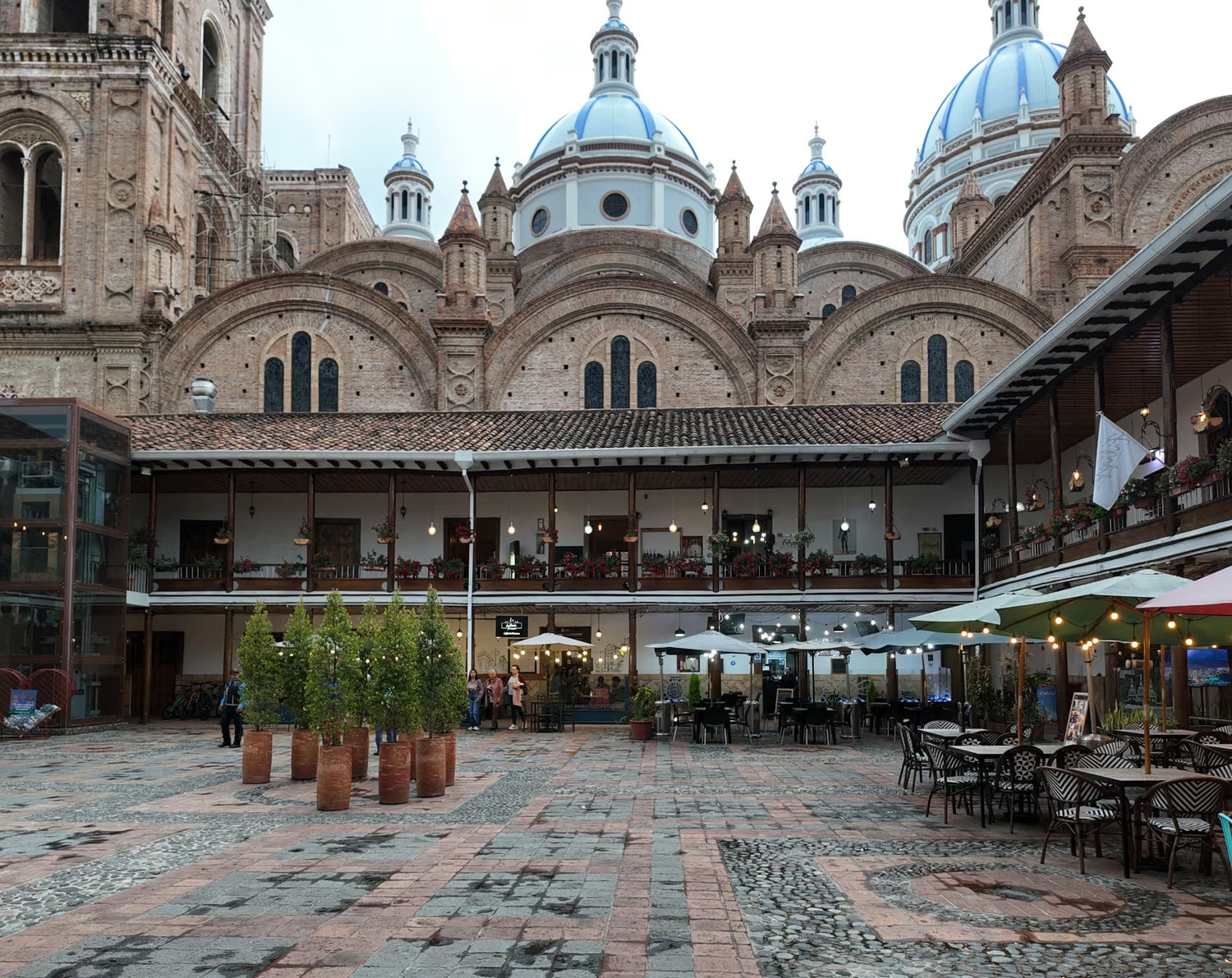
- Casa del Parque: A food court in a restored mansion from 1880 on Parque Calderón, and one of our favourite food spots in the city.
- Le Petit Jardin: A charming French restaurant with a menu that changes every week. It's out in Sayausí, north-west of the city, and only opens from Friday to Sunday, so ask a local taxi driver to take you.
- Museo de la Gastronomía Cuencana: A unique spot that combines a museum of local food with a restaurant, open daily from 10am to 4pm. It's a little out of town, but no visit to Cuenca is complete without lunch and a tour here.
- Raymipampa: A classic on Benigno Malo, right next to the New Cathedral, and a good place to try traditional Ecuadorian dishes such as locro de papa.
- Mercado 10 de Agosto: Cuenca's main traditional market, on Calle Larga, set over several floors. Head upstairs for a filling lunch for a few dollars.
Off the clock
Things to see and do
Cuenca isn't packed with adrenaline-fuelled activities or tourist traps, and that's part of its charm. The best things to do are slow ones, from wandering the old town with a coffee in hand to walking along the river. There's still more than enough to keep you busy, though, and El Cajas is only half an hour away.
Walk along the Río Tomebamba
Our favourite
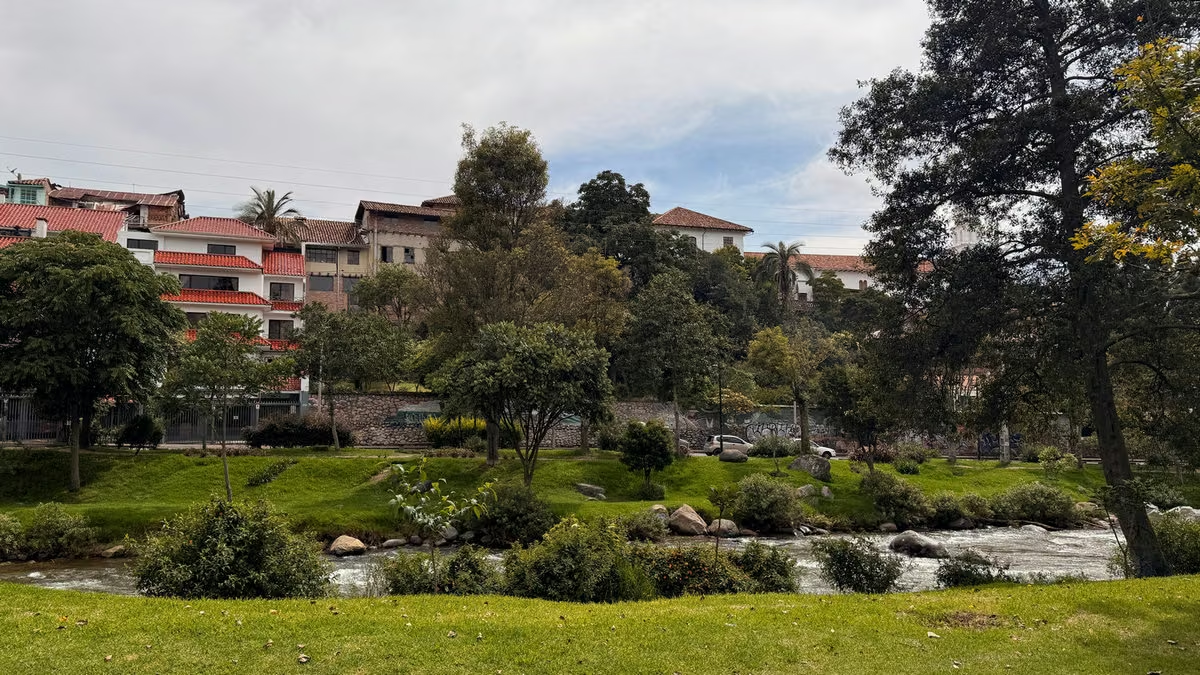
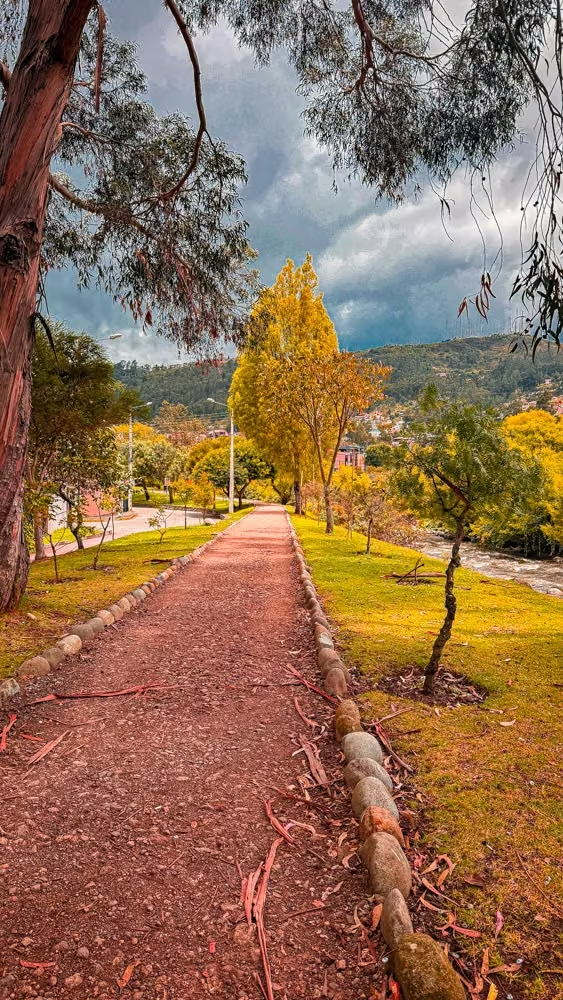
This is our favourite thing to do in Cuenca. The Tomebamba forms a natural boundary between the historic centre to the north and the more modern city to the south. On the northern bank you'll find cafés, benches and rolling cobbled paths, while the southern bank has a wide modern pavement alongside the avenue. Both sides are wonderful for a late-afternoon run or stroll, and the paths run for many kilometres, so you can walk for as long as you like.
Free · Best in the late afternoon
Wander the historic centre
Cuenca's historic centre is one of the most beautiful in Latin America, with cobbled streets and colonial churches around leafy plazas, and a mixture of Spanish and French influence in its architecture. Founded by the Spanish in 1557, it was added to UNESCO's World Heritage List in 1999. Grab a coffee and just walk around, as you don't need an agenda here.
Free · UNESCO World Heritage Site since 1999
Climb the New Cathedral
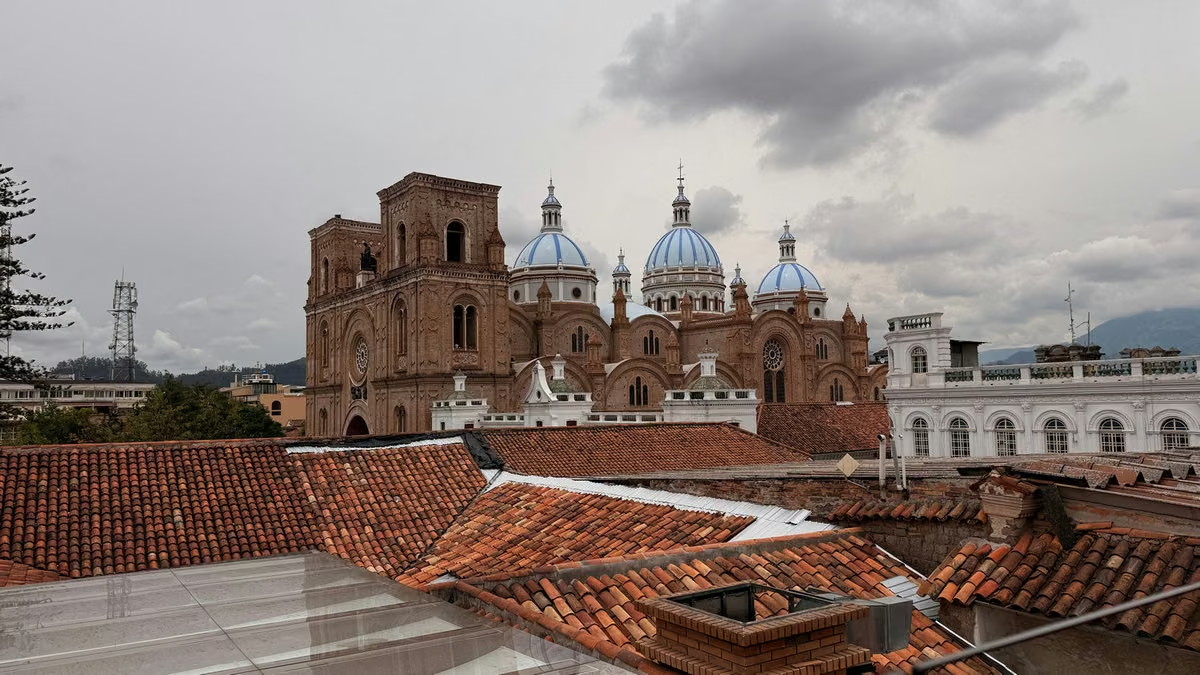
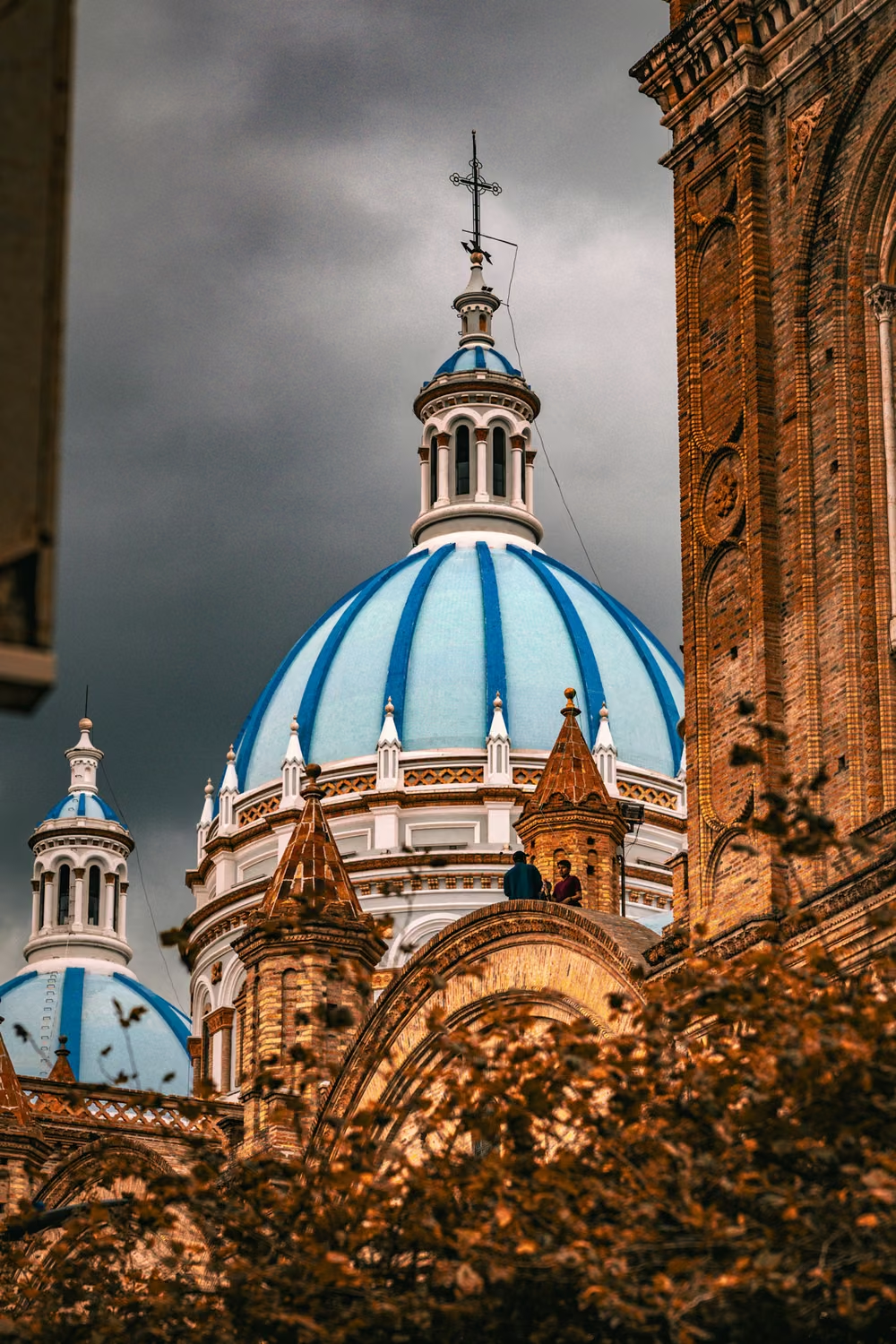
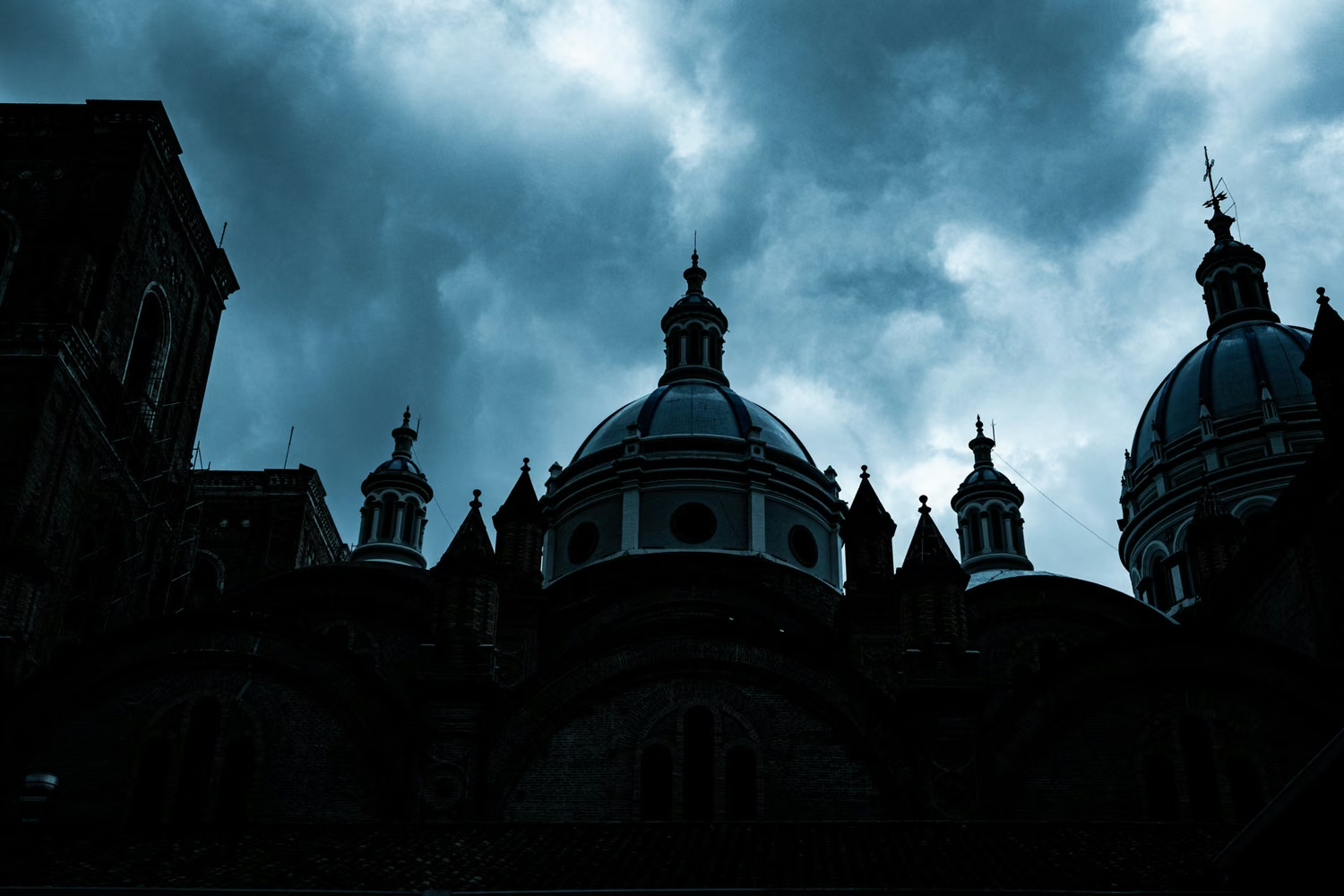
The Catedral de la Inmaculada Concepción, better known as the New Cathedral, dominates the skyline with its sky-blue domes. Work began in 1885, so it's younger than it looks, and guided tours take you up 165 steps to a terrace with views over the domes and across the city. When we went, the entrance was a small door on Calle Santa Ana, to the right of the cathedral as you face it with Parque Calderón behind you.
Terrace by guided tour · 165 steps
Day trip to El Cajas National Park
El Cajas is a moody, windswept highland park of lakes and rocky trails, 30 to 40 minutes from Cuenca by car or bus, that will remind you of the Scottish Highlands. It covers more than 28,000 hectares, with hundreds of lagoons and peaks above 4,400m. Entry is free, but you need to register at the Toreadora visitor centre or another control point, which are open from 8am to 4.30pm. The high altitude makes the weather unpredictable, so pack for every season, whatever it's doing when you leave.
Free · Register at the ranger station
Visit a Panama hat workshop
Despite the name, Panama hats are entirely Ecuadorian, and Cuenca is one of the main centres of production. UNESCO recognised the traditional weaving of the toquilla straw hat as Intangible Cultural Heritage in 2012. Visit the Homero Ortega Panama hat museum, which is part museum and part shop, or browse the many hat shops around the city.
Homero Ortega museum · Free
Museo Pumapungo
Pumapungo is Cuenca's most popular museum, with exhibitions on Ecuador's indigenous cultures and colonial history. Behind the museum you'll find the remains of Inca terraces, along with a small botanical garden and a packed aviary.
Free · Closed on Mondays
Soak at Piedra de Agua
Just a short drive west of Cuenca is the village of Baños de Cuenca, not to be confused with the better-known Baños in central Ecuador. It's home to Piedra de Agua, a smart spa with thermal pools where locals work their way through the cocktail list, plus a spa circuit with mud treatments and underground baths.
Spa circuit about $40 in 2025 · Baños de Cuenca
Mercado 10 de Agosto
Cuenca's main traditional market is the classic Latin American market experience, with meat counters, spice stands, towering piles of fruit and all kinds of local goods. Head up to the top floor for a set lunch, or hunt down the busiest hornado stand.
Free to browse · Lunch upstairs for a few dollars
Keeping fit
Cuenca is a brilliant city for staying active. It's very bike-friendly, with plenty of paths and a public bike-share scheme, and there are social clubs for running and hiking. The altitude will make even the easiest jog feel tricky at first, but it shouldn't take more than a week or two to acclimatise, and if you're already fit, you'll adjust almost straight away.
The Río Tomebamba paths
Run · Walk · Cycle
The standout for runners, with paths on both banks that stretch for kilometres through the city. They're perfect for a late-afternoon run, and the riverside path also suits a mountain or gravel bike.
Parque de la Madre
Run
A park on Avenida 12 de Abril with a dedicated soft running track and outdoor gym equipment, right next to Impaqto.
El Cajas trails
Walk
From short trails of a few kilometres to multi-day hikes, El Cajas is the best hiking near the city. Download the AllTrails app before you go, as the signal drops out.
The climb towards El Cajas
Cycle
Tough road and mountain bike routes lead out of the city into the mountains. The altitude makes them brutal, but the scenery is worth it.
Gyms, races and other ways to stay active
Cuenca has a busy running calendar, with races including the Media Maratón Cuenca, whose second edition was held at Parque El Paraíso on 22 March 2026. When we visited, we also found a couple of run clubs on Instagram, Run Squad and Road Runners Cuenca.
Gyms are easy to find, and Numbeo puts the average monthly fee at about $30. SmartFit, the Latin American chain, had a club at Wayra Plaza when we visited, with plans in Ecuador from $24.90 a month in 2026, and there are around ten other local gyms worth checking on Google Maps. Beyond that, you can learn anything from salsa to karate or MMA.
People and community
Cuenca has a large expat community, but it's made up mostly of retirees from North America and Europe, so if you're looking for a typical nomad scene, you'll have to work a little harder than in the big nomad hubs. There's no big co-living scene, which suits people who are happy to do their own thing and build a routine.
A little Spanish goes a long way here. You'll hear more English around Ordóñez Lasso, where many expats live, but elsewhere, Spanish will get you much further.
Finding your people
Sport is the easiest way in. If you're into social hiking, a club called Outdoors Cuenca was heading out several times a week when we visited, and the run clubs are a good way to meet locals as well as other foreigners. Coworking spaces such as Impaqto, with its start-up community, are another good place to make connections.
Tips
Positives
The café culture is sensational.
There seems to be a great café on every corner, and they're happy to have laptops.
It's one of the safest cities in Ecuador.
You'll see locals out late in the plazas and people texting on the street without a care.
The climate is mild all year.
Highs of 19 to 22°C in every month mean you'll never swelter.
The old town is stunning.
Its cobbled streets and blue-domed cathedral make it one of the most beautiful centres in Latin America.
Nature is on the doorstep.
El Cajas National Park is 30 to 40 minutes away, and the riverside paths run right through town.
The nomad visa is easy to get.
The income requirement is low and you can apply online from inside Ecuador.
Negatives
There are no international flights.
You'll always connect through Quito or Guayaquil.
The altitude takes some getting used to.
At around 2,500m, your first runs will feel much harder than usual.
The weather is unpredictable.
Mornings are chilly and the wet season can stay grey for weeks.
The nomad community is small.
Most foreigners are retirees, so a social life takes more effort.
Ride-hailing is still new.
Uber works well here, but there are fewer drivers than in a big city, so allow a few extra minutes.
The road to the coast is prone to landslides.
The route over El Cajas was closed by one in October 2026.
Tips
Pack for every season.
Bring a jacket even on a sunny day, especially for mornings and trips to El Cajas.
Come in the dry season.
June to September brings the best weather, and August is the driest month.
Use AzuTaxi and check the meter.
Most trips across town cost under $2.50.
Extend your stay before day 90.
You can apply online, and the fee was about $161 in 2026.
Give yourself time to acclimatise.
Take it easy for the first week before you run or hike hard.
Try another network if your signal drops.
Claro has blackspots in the old town, so Movistar or CNT may suit you better.
Register at the ranger station in El Cajas.
Entry is free, but every visitor has to sign in.
Check the Cajas road before travelling overland.
Landslides can close the most direct route to Guayaquil.
Fly via Quito for the most choice.
Around six flights a day link Quito and Cuenca.
Cuenca · Overall 7.4/10
Work setup 7 · Walkability 7 · Value 8 · Safety 8 · Lifestyle 7 · Visited in March 2025, then moved here six months later
Working from Cuenca?
Nomad Register counts your days in Ecuador against the 90-day tourist allowance and turns your trip into a request your employer can approve in a click, across 200+ destinations.
Log your Ecuador trip · For employers
Need sign-off first? Create a free remote work request.
Frequently asked questions
Is Cuenca good for digital nomads?
Yes, especially if you'd rather avoid the big nomad hotspots. The café culture is superb, there are good coworking spaces, it's one of Ecuador's safest cities and prices are low. The nomad community is small, though, and you'll need to fly via Quito or Guayaquil to get there.
Where should digital nomads stay in Cuenca?
El Centro, the UNESCO-listed historic centre, is our pick for a first stay, and the area around Parque San Sebastián, where we stayed, is slightly quieter but still central. El Vergel suits people who want a leafy residential base close to the river, while Puertas del Sol and Ordóñez Lasso are popular with long-term expats.
How long can I stay in Ecuador as a tourist?
British, EU and US citizens can stay for up to 90 days in any 12-month period without a visa. You can extend once, for up to 90 more days, by applying to the Ministry of the Interior before your first 90 days end.
Does Ecuador have a digital nomad visa?
Yes. Ecuador's digital nomad visa gives remote workers earning at least $1,446 a month in 2026 temporary residence for up to two years, and you can apply online from inside the country. Our Ecuador digital nomad visa guide covers the requirements.
How much does it cost to live in Cuenca as a digital nomad?
Budget around $750 a month before rent if you eat out regularly and use a coworking space, or closer to $500 if you live more simply. Numbeo puts a one-bedroom flat at about $555 a month in the centre and about $410 outside it.
How fast is the internet in Cuenca?
Home internet is generally good, and our Airbnb comfortably passed 80Mbps. Mobile coverage can be patchy in the old town, so if one network drops out, try another, and Claro sells a tourist SIM for $4.
Is Cuenca safe?
Yes. Cuenca is widely regarded as one of the safest cities in Ecuador, and it isn't covered by the state of emergency in force in several coastal provinces in November 2026. Petty theft is the main risk, so keep an eye on your belongings in crowded places.
When is the best time to visit Cuenca?
June to September, the dry season, brings the best weather, and August is the driest month. May and October are good shoulder months, while April is the wettest.
How do I get to Cuenca?
There are no international flights to Cuenca, so fly into Quito and connect on one of around six daily flights, or into Guayaquil and take Avianca's daily flight or a shared van, which takes about three and a half hours by road.
Does the altitude in Cuenca affect you?
At around 2,500m above sea level, most people notice the altitude for the first few days, especially when exercising. It usually takes a week or two before running feels normal again.
Is there Uber in Cuenca?
Yes, Uber works well in Cuenca, and InDrive and DiDi operate here too. Metered taxis are cheap and plentiful, and the AzuTaxi app is the easiest way to book one.
What currency does Ecuador use?
Ecuador has used the US dollar since January 2000, so prices are in dollars and there's nothing to convert if you earn in them.
Where next
- Baños: a mountain town in Ecuador's central Andes, famous for its waterfalls and hot springs
- The Galápagos Islands: reachable from Cuenca on LATAM's twice-weekly flights via Quito
- Panama City: a walkable old town and a free stopover on Copa flights
- Mexico City: one of the biggest nomad hubs in the Americas, with food to match
- Ecuador Digital Nomad Visa guide: requirements, income, tax and how to apply
- All city guides
About this guide
James is the founder of Nomad Register and has been a full-time digital nomad for around two years. He first visited Cuenca in March 2025, staying next to Parque San Sebastián, and liked it so much that he moved here six months later. This guide is based on that visit and his time living in the city, with facts and prices checked in November 2026. You can read his original trip report on The Nest.
This guide is for general information only and is not legal or tax advice. Visa rules, road conditions and prices change, so confirm entry requirements with Ecuador's authorities or your government's travel advice before you travel.