Spain · Visited October 2024 · 4 weeks
Valencia for Digital Nomads
Spain's sunny third city, where the old riverbed is now a park and the beach is a short bike ride away.
Great first base · Big nomad community
By James, founder of Nomad Register · Updated November 2026
Valencia at a glance
- Overall
- 8/10
- Work setup
- 8/10
- Walkability
- 9/10
- Value
- 6/10
- Safety
- 8/10
- Lifestyle
- 9/10
- Living costs
- About €1,100 a month before rent
- Tourist stay
- 90 days in any 180 across the Schengen Area for most visitors
- Nomad visa
- Available: up to 5 years
- Time zone
- CET (UTC+1), CEST (UTC+2) from late March to late October
- Currency
- Euro
- Internet
- Fast fibre almost everywhere, 300Mbps+ typical
- Airports
- VLC (Valencia), about 8km west of the centre
- Population
- About 850,000 (city), over 1.5 million (metro)
- Plugs
- Types C and F, 230V
Climate: Mild winters and hot, humid summers, with the heaviest rain in autumn (best month: May). Jan 7–16°C, 37 mm rain; Feb 8–17°C, 36 mm rain; Mar 10–19°C, 33 mm rain; Apr 12–21°C, 38 mm rain; May 15–23°C, 39 mm rain; Jun 19–27°C, 22 mm rain; Jul 22–30°C, 8 mm rain; Aug 22–30°C, 20 mm rain; Sep 19–28°C, 70 mm rain; Oct 15–24°C, 77 mm rain; Nov 11–20°C, 47 mm rain; Dec 8–17°C, 48 mm rain
Overview
Easy to love, harder to rent in
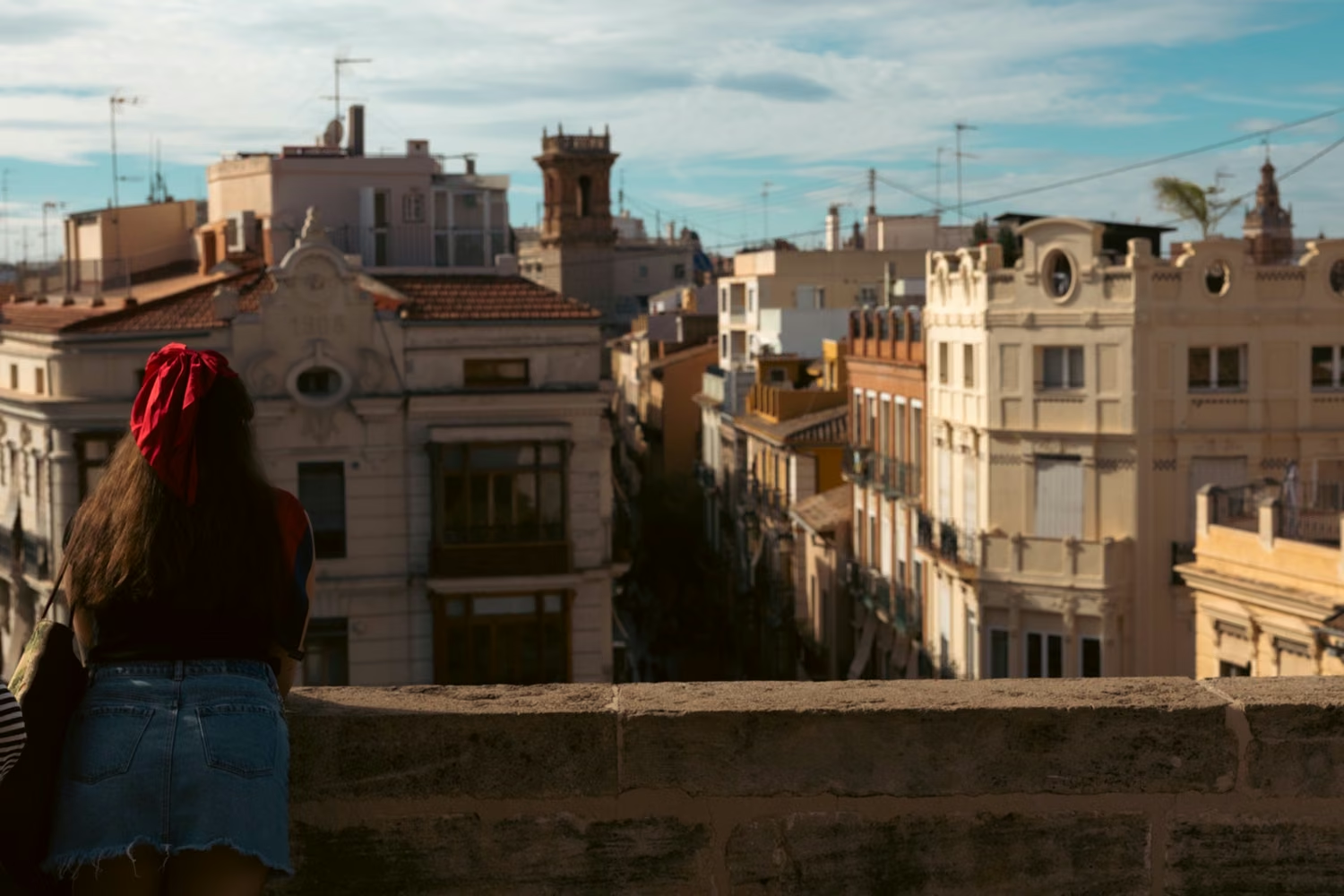
Valencia is Spain's third-largest city, a flat, sunny place of around 850,000 people on the Mediterranean coast, and it has been on remote workers' radar for years. The appeal is obvious. A park more than nine kilometres long runs through the middle of the city in the old bed of the River Turia, and the beach is a short bike ride from the centre. This is also where paella comes from. Add good coworking, fast fibre, a big international community and quick trains to Madrid, and it's one of the easiest cities in Europe to land in.
We spent four weeks here in October 2024, taking Spanish classes in the mornings and working in the afternoons, and the verdict was simple: Valencia is one of the best digital nomad cities out there, and if you're new to nomad life it should be top of your list. It wasn't our personal favourite, though. Even out of season the centre feels crowded and touristy, and the spread of holiday lets has changed the character of parts of the city, with some cafés now pushing back against people working on laptops.
Two years on, the biggest change is housing. Asking rents in the city have nearly tripled since 2015. On top of that, Valencia capped new tourist flats in 2026, and new national rules mean landlords offering lets of a few months now need a documented reason for your stay. None of that should put you off, but it does mean booking accommodation well ahead and budgeting more for rent than the city's cheap reputation suggests.
For a first stay, aim for a month or two in spring or autumn, and base yourself in Ruzafa for the buzz or in Jesús, where we stayed, for better value and a more local feel. Then get a bike pass on day one and join a coworking space rather than camping in cafés.
Top of the list for first-timers
"Valencia is one of the best digital nomad cities out there."
James, founder of Nomad Register
Valencia suits you if
- it's your first stint as a nomad and you want a gentle start
- you run or cycle, as the city is flat and the Turia park runs right through it
- you want a beach and a big international community in the same city
- you'd like fast trains to Madrid and cheap flights around Europe on your doorstep
It's less suited to you if
- you're on a tight budget, as rents have soared and short lets are scarce
- you struggle in heat and humidity, which peak in July and August
- you like working from cafés, as more of them are pushing back against laptops
- you want somewhere off the tourist trail
At a glance
Work setup · Great · 8/10
Valencia has plenty of good coworking, led by our favourite, Vortex, which has three spaces and a busy community programme, and fibre broadband is fast and almost universal. It loses points because working from cafés is increasingly frowned upon, so you'll want a coworking membership or a proper desk at home.
Walkability · Excellent · 9/10
The city is pancake flat, and the Turia park gives you a car-free route from one side of it to the other. With more than 225km of bike lanes and a cheap bike-share on top, you'll rarely need a taxi, and only the beach is a bit of a trek on foot from the old town.
Value · Fair · 6/10
Day to day, Valencia is good value for Western Europe, with a menú del día for around €15 and a coffee for about €2. Rent is the problem, as asking prices have nearly tripled since 2015. Short lets in the centre start at around €1,500 a month, and new rules make mid-term rentals harder to arrange.
Safety · Great · 8/10
Valencia feels very safe, and petty theft in crowds is the main thing to watch for. In autumn, it's also worth keeping an eye on weather warnings.
Lifestyle · Excellent · 9/10
With a beach on the doorstep and a nine-kilometre park through the middle of the city, there's plenty to do once you close the laptop. Weekends take care of themselves between day trips to the Albufera and the city's festivals, and the large nomad and expat community means you're never short of company.
Plan
Getting there and getting around
Valencia Airport (VLC) sits about 8km west of the centre and handles a steadily growing number of flights, most of them within Europe. It's a busy base for low-cost airlines, with direct connections to hubs including London Heathrow and Paris Charles de Gaulle.
From the airport
Metro lines 3 and 5 run from the terminal every 15 to 20 minutes and take about 20 minutes to reach Xàtiva or Colón in the centre. A single from the airport costs €4.80, plus between €1.10 and €2.20 for the rechargeable card you load it on. Taxis wait outside arrivals and take around 20 minutes to the centre when traffic is light.
By train
Our pick
If you're already in Spain, the train is the best way to arrive. High-speed services from Madrid take as little as 1 hour 50 minutes, and AVE, Avlo, iryo and OUIGO run around 30 trains a day between them, with fares from about €7 if you book early. Trains from Barcelona take around three hours, and the fastest Euromed services do it in about 2 hours 45 minutes.
Valencia has two main stations about 750m apart. High-speed trains use Joaquín Sorolla, just south of the centre and handy for Ruzafa and Jesús, while the grand Estació del Nord next to the bullring handles regional and local services. Check which one is on your ticket before you set off.
Getting around the city
Valencia is made for bikes. The city has more than 225km of bike lanes, and Valenbisi, the public bike-share, has 276 stations and costs €13.30 for a seven-day pass with unlimited rides of up to 30 minutes. For longer stays, an annual subscription is just €29.21. One tip from our stay: Google Maps doesn't always pick the most sensible cycle route, so get to know the main lanes and trust your own sense of direction.
Metrovalencia runs ten metro and tram lines, and the EMT bus network covers everywhere else. A single metro ticket in the city costs €1.50 and a bus ticket €2, but if you're staying more than a few days, buy a SUMA card and load it with a SUMA 10, which in 2026 costs just €5.40 for ten trips in one zone thanks to state and regional subsidies. Spain's new €60 Abono Único travel pass covers national rail and state-run buses, but it didn't include Valencia's metro or city buses when it launched in January 2026.
Taxis are easy to find but not cheap, and the Uber and Cabify apps both book licensed taxis here. For years, a 2019 regional rule forced app-booked private hire cars to be booked at least 15 minutes ahead, which is why we couldn't get a ride straight away when we first opened the apps. The regional government scrapped that rule in June 2026.
A hire car is pointless in the city, but worth it for day trips inland, such as the hanging bridges at Chulilla, where public transport is thin.
Cost of living
About €1,100 a month before rent
That's our estimate for one person living comfortably in a central neighbourhood and eating out a few times a week, including a coworking membership and a gym. Skip the coworking and you'll get by on closer to €900. Valencia is cheaper than Madrid or Barcelona, mostly because rent is lower, and a menú del día, the fixed-price weekday lunch, averages around €15 across the region.
| Item | Typical price |
|---|---|
| Café con leche or latte | €2–3 |
| Menú del día | €13–16 |
| Paella valenciana at a good arrocería, per person | €15–20 |
| Local draught beer (half litre) | €3 |
| Three-course dinner for two, mid-range | €60 |
| Metro or tram single, zone A | €1.50 plus card |
| EMT bus single | €2 |
| SUMA 10, ten trips in one zone (2026 subsidised fare) | €5.40 |
| Metro from the airport | €4.80 plus card |
| Valenbisi bike share, seven days | €13.30 |
| Coworking day pass | €24–36 |
| Coworking flexible desk, monthly | €150–220 |
| Gym, every four weeks (Basic-Fit) | €25–35 |
| Prepaid SIM, 50GB a month (Digi) | €7 |
| Furnished one-bedroom long let, central, monthly | €1,000–1,400 |
| Furnished one-bedroom seasonal let, monthly | €1,100–1,600 |
| One-bedroom Airbnb in Ruzafa or the old town, monthly | €1,500+ |
Sources: our visit in October 2024, Hostelería de España and Edenred (menú del día), Metrovalencia and EMT fares via Visit València, Valenbisi, Basic-Fit, Digi, Brains Real Estate and idealista rent data, seasonal let listings and coworking operator listings, checked November 2026. Confidence: medium.
Spain uses the euro, and cards are accepted almost everywhere, even for small amounts. Tipping isn't expected, though rounding up or leaving a euro or two for good service is appreciated.
Finding somewhere to live is the hard part. For stays of under a month, holiday lets are your main option, but supply is shrinking. In March 2026 Valencia approved what it calls the most restrictive rules on tourist flats in Spain, capping them at 2% of homes in each neighbourhood.
For anything from one to eleven months, most nomads use a seasonal let, known as an alquiler de temporada. Since October 2026, national rules require these contracts to state a genuine, documented reason why your stay is temporary, such as work, and to run for more than 31 days and generally no more than 12 months. Expect to be asked for your home address and paperwork such as a letter from your employer.
One-bedroom flats have the highest asking rents per square metre in the city, and a furnished one-bed in a central neighbourhood typically costs €1,000 to €1,400 a month on a long let, with seasonal lets costing more. Idealista is the main listings site, while Spotahome and HousingAnywhere specialise in furnished mid-term lets. Living further out, in neighbourhoods such as Jesús or Benimaclet, cuts the rent noticeably, and the bike lanes and metro keep the commute short.
When to visit
Spring and autumn are the sweet spots
Valencia has a Mediterranean climate with around 2,700 hours of sunshine a year. Winters are mild, with daytime highs of 16 to 17°C from December to February, while summers are long and humid, with highs around 30°C in July and August that feel hotter when the humidity's up.
The best months are the shoulder seasons. March to May and October to November bring warm days without the summer crowds, and May is our pick, with highs in the low 20s and long, sunny days. We visited in October and found the days reliably warm, at 25°C or more, though the centre was still busy.
Autumn brings the heaviest rain, with September and October the wettest months. This is when the Mediterranean's DANA storms, also known as gota fría, can dump extraordinary amounts of rain in a few hours. We were still in the city on 29 October 2024, when one caused catastrophic flash floods in the towns just to the south, killing more than 220 people. The city centre was largely spared, partly because the Turia was diverted around Valencia after a deadly flood in 1957, which is how its old bed became the park it is today. If you're here in autumn, take AEMET's weather warnings seriously and keep away from riverbeds and low-lying roads during an alert.
March is Fallas month. From 1 to 19 March there's a mascletà, a deafening daytime firecracker display, at 2pm every day in Plaza del Ayuntamiento, and the main festival runs from 15 to 19 March, when hundreds of giant satirical sculptures fill the streets before being burned on the final night. It's a spectacle like nothing else, but it's loud around the clock and accommodation prices jump, so plan around it either way.
Summer is beach season, starting with the Nit de Sant Joan on 23 June, when thousands of people head to the beach for the night. July and August are hot and sticky, so if you come then, make sure your flat has air conditioning.
| Month | High | Low | Rain | Notes |
|---|---|---|---|---|
| January | 16°C | 7°C | 37mm | Mild days, cool nights |
| February | 17°C | 8°C | 36mm | Quiet and mild |
| March | 19°C | 10°C | 33mm | Fallas, 15 to 19 March |
| April | 21°C | 12°C | 38mm | Warm and pleasant |
| May | 23°C | 15°C | 39mm | Our pick |
| June | 27°C | 19°C | 22mm | Beach season begins |
| July | 30°C | 22°C | 8mm | Hot and humid |
| August | 30°C | 22°C | 20mm | Hottest and busiest |
| September | 28°C | 19°C | 70mm | Still hot, storms return |
| October | 24°C | 15°C | 77mm | Warm, but the wettest month |
| November | 20°C | 11°C | 47mm | Mild and calmer |
| December | 17°C | 8°C | 48mm | Marathon month |
Source: AEMET climate normals for València station (1981 to 2010).
How long to stay
A month is ideal. It's long enough to settle into a routine and make friends, and short enough that the Schengen clock isn't a worry for most visitors. Plenty of people end up staying for a season, and some go on to apply for the visa.
Working remotely and visas
Digital nomad visa available
- Tourist stay
- 90 days in any 180 (Schengen)
- Nomad visa
- Up to 5 years
- Income
- 200% of the minimum wage, about €3,000 a month from 2027
- Processing
- About 20 working days from inside Spain
- Time zone
- CET (UTC+1), CEST (UTC+2) in summer
Spain is in the Schengen Area, so most visa-exempt visitors, including British, American, Canadian and Australian citizens, can stay for up to 90 days in any 180-day period across all Schengen countries combined, not just Spain. EU and EEA citizens can live and work here freely. If you're British, your passport must have been issued less than 10 years before the day you arrive and be valid for at least three months after the day you plan to leave.
The EU's Entry/Exit System has been fully up and running since April 2026, so your fingerprints and photo are taken at the border on your first visit and every entry and exit is logged digitally, which means overstays are flagged automatically. ETIAS, the EU's travel authorisation for visa-exempt visitors, has been delayed repeatedly and still had no confirmed start date in November 2026. Track your days with our Schengen calculator, and check our ETIAS guide for the latest.
Can you work remotely on a tourist stay?
Spain has no specific rules for remote workers on visa-free stays. A short stay is meant for tourism and business visits, and you can't do local work or be paid by Spanish companies. Answering emails for a foreign employer for a few weeks is widely treated as a grey area, but it isn't a right, so if you plan to work from Spain for longer, the nomad visa is the proper route. Our guide to working remotely on a tourist visa explains the risks.
The digital nomad visa
Spain's digital nomad visa, the visado de teletrabajo internacional, is one of the most attractive in Europe but also one of the more demanding to get. You need to work remotely for a non-Spanish company or mostly foreign clients, and earn at least 200% of Spain's minimum wage, which comes to about €3,000 a month from January 2027. You'll also need a degree or three years of relevant experience. Private health insurance with full cover in Spain is compulsory too.
Apply at a consulate and you'll get a one-year visa. Apply from inside Spain after arriving visa-free and you'll get a three-year residence permit, with a decision due within 20 working days. Either can be renewed up to five years in total, and holders can opt into Spain's special tax regime for inbound workers, the so-called Beckham Law. Our Spain digital nomad visa guide covers the full requirements.
Spend more than 183 days in Spain in a calendar year and you'll normally become a Spanish tax resident, so if you're staying long-term, take advice and keep an eye on your day count.
Working hours
Valencia runs on Central European Time, an hour ahead of the UK all year. That suits European teams and works for the US East Coast, which is six hours behind for most of the year, so your afternoons overlap with their mornings. The West Coast, nine hours behind, means evening calls. Use our time zone overlap calculator to find the hours that work.
Spanish days run later than you might be used to. Lunch is usually between 2pm and 4pm, and dinner rarely starts before 9pm. Some smaller shops still close for a few hours in the afternoon.
If your employer needs to approve the trip first, you can create a free remote work request and send it to them for sign-off.
Safety
Very safe, with the usual big-city pickpockets
Valencia is a safe city, and we never felt the need to watch our pockets the way we did in Madrid or Barcelona. Petty theft is the main risk. The UK government warns that thieves in Spain often work in teams and target money and passports, so take care in crowds and on the beach.
Like any city, Valencia has rougher patches, and locals often point to parts of Benicalap and the maritime districts, so check the specific street before you book. At night, a taxi is the simplest way home.
Practical advice
- Keep your phone and wallet zipped away in crowds, especially during Fallas.
- Don't leave bags unattended on the beach while you swim.
- Use a proper lock on bikes and scooters, which are a favourite target.
- In autumn, follow AEMET weather warnings and keep away from riverbeds during an alert.
- Save 112 for emergencies, and consider the police's AlertCops app, which the UK government recommends.
Tap water in Valencia is safe to drink, but it's hard and heavily treated, and many locals don't like the taste. A filter jug is a cheap fix.
Healthcare
Spain has excellent healthcare, and Valencia has some of the country's biggest hospitals, including the public Hospital Universitari i Politècnic La Fe and the Hospital Clínic Universitari, alongside private groups such as Quirónsalud and Vithas. Pharmacies, marked by a green cross, are everywhere, and at least one in each area stays open overnight on a rota.
If you're an EU citizen, your EHIC covers state healthcare, and British visitors can use a GHIC. Neither replaces travel insurance, which you'll need for private treatment and repatriation. If you're applying for the digital nomad visa, you'll need private health insurance from a company authorised in Spain, with full cover and no co-payments. In an emergency, call 112.
Live & work
Where to stay
Valencia is compact and flat, and its bike lanes and metro tie the neighbourhoods together, so don't overthink where you stay. Find a flat you like in an area that fits your budget and you'll be fine. Ruzafa is the default for first-timers. If you'd rather have more space and more Spanish practice, cheaper neighbourhoods such as Jesús, where we stayed, are well worth a look.
Ruzafa
Nomad central
Ruzafa (Russafa in Valencian) is the city's most fashionable neighbourhood, a grid of old apartment blocks just south of the centre packed with cafés and bars. It's where most nomads start, drawn by a great market at its heart and the old town a 15-minute walk away. The flip side is that it's noisy at weekends and one of the priciest places to rent.
Pros
- The best café and bar scene in the city
- Full of other nomads
- A short walk from the high-speed station
- Well connected by bike lanes
Cons
- Noisy, especially at weekends
- One of the most expensive areas to rent
Rent guide: furnished one-bed long lets from about €1,100 to €1,400 a month
Work from: Wayco Ruzafa, or Vortex Centro a short bike ride away
Jesús
Where we stayed
Jesús is a working-class neighbourhood just south-west of the train stations, and it's rarely on anyone's list, which is exactly why we liked it. Rents are lower and life is more local. With far fewer English speakers around, it also pushes you to use your Spanish every day. The old town is about a 30-minute walk, or ten minutes on the bike lanes.
Pros
- Noticeably cheaper than the centre
- A genuinely local feel
- Great for practising Spanish
- Next to Joaquín Sorolla for trains to Madrid
Cons
- Not much to see
- A 30-minute walk to the old town
Rent guide: furnished one-bed long lets from about €850 to €1,100 a month
Work from: home, or Vortex Centro by bike
El Carmen
Old town living
El Carmen (El Carme) is the medieval heart of Ciutat Vella, a maze of narrow lanes covered in street art, with the Torres de Serranos at one end and the Turia park just across the road. It's beautiful and full of character, and you can walk to almost everything. It's also the most touristy part of the city, and holiday lets have pushed rents up.
Pros
- Beautiful, historic streets
- Walk to almost everything
- The Turia park on your doorstep
- Great bars and restaurants
Cons
- Crowded with tourists
- Noisy at night and expensive to rent
Rent guide: furnished one-bed long lets from about €1,150 to €1,450 a month
Work from: Vortex Centro, a 20-minute walk across the old town
Benimaclet
Village feel, student prices
Benimaclet was a separate village until the city swallowed it, and it still feels like one, with a small square at its heart and an alternative, creative crowd drawn by the nearby universities. It's one of the cheaper neighbourhoods close to the centre, and the metro and tram meet here, so you're well connected.
Pros
- Cheaper rents and a strong community feel
- Good metro and tram links
Cons
- Quieter in summer when the students leave
- Further from the old town and the beach
Rent guide: furnished one-bed long lets from about €900 to €1,150 a month
Cabanyal
By the beach
The old fishermen's quarter of El Cabanyal sits right behind the beach, its low houses covered in colourful tiles. With the beach at the end of every street, it has become one of the most sought-after places to live. Its popularity has a cost, though: it's one of the neighbourhoods most affected by holiday lets, and parts of it still feel rough around the edges at night.
Pros
- The beach on your doorstep
- Vortex Playa nearby for coworking
Cons
- Busy with holiday lets and day-trippers
- Some streets feel rough at night
Rent guide: furnished one-bed long lets from about €1,000 to €1,300 a month
Work from: Vortex Playa
Rent guides are our estimates from Brains Real Estate district averages for 2026, adjusted for one-bedroom flats. Seasonal lets usually cost more.
Where to work
Valencia has a lively coworking scene, with around 60 spaces across the city, and that's where we'd point you. Cafés are a different story. Over-tourism and the spread of holiday lets have put pressure on the city's independent cafés, and some are now pushing back against laptop workers, so treat café working as a favour rather than a right.
Coworking
Vortex
Three spaces across the city · Our pick · Day passes from about €24 and flexible desks from about €200 a month, plus VAT
Our favourite coworking in Valencia. Centro sits near the Turia and Playa is in Cabanyal, a few steps from the beach, and they were joined in late 2024 by Ciencias, near the City of Arts and Sciences. Its website is a model of how to do it, with video tours of each space and clear pricing, and the active community programme is a great way to meet people. Playa has a laid-back, international feel, with plenty of sport on its events calendar.
Wayco
Ruzafa and other central locations · Day passes from about €27 and memberships from about €215 a month
One of the city's biggest coworking brands, with several spaces in central neighbourhoods. The Ruzafa space is the one to know, set in two restored warehouses that once housed the Goya cinemas and the Crisol bookshop, and it's a natural fit if you're living in the neighbourhood.
If neither suits, Valencia has dozens of smaller spaces, from Garage Coworking in the old town to Nolich in Ruzafa, and the median membership is around €190 a month.
Cafés
If you do want to work from a café, pick somewhere big and ask first. Liaopastel, a chain of around 45 café-bakeries across the Valencia region, is a good bet: after a few days as a regular customer, we asked if we could work in a corner for an hour and the staff were happy to oblige.
For coffee itself, the specialty scene has grown fast, with around 90 specialty cafés in the city by mid-2025. Retrogusto Coffeemates, inside the Mercado Central since 2013, is a Valencia institution, while Fran Café and Clem Café are also worth seeking out.
Internet and SIM cards
Fibre broadband is widespread in Valencia, and most decent flats get 300Mbps or more, which is plenty for video calls. Ask your host for a screenshot of a speed test before you book anyway. For mobile data, budget carrier Digi sells a prepaid plan with 50GB and unlimited national calls for €7 a month, with free eSIMs. You'll need your passport to register a prepaid SIM, and if you have an EU SIM, it works here at no extra cost under EU roaming rules.
Food & drink
Valencia is the birthplace of paella, and food here is a serious business. The city sits in the middle of the huerta, the market gardens that ring it, with the rice fields of the Albufera just to the south, so the cooking is built around fresh vegetables and rice. Eating out is good value, and the Mercado Central is billed as Europe's largest fresh produce market.
What to eat
- Paella valenciana: The original, made with chicken and rabbit along with flat green beans and garrofó, a large white bean, and cooked in a wide, shallow pan, ideally over an orange-wood fire. It's a lunch dish, and locals would never order it for dinner.
- Arròs a banda and arroz negro: Rice cooked in rich fish stock, and black rice coloured with squid ink, both best eaten by the sea.
- Arròs al forn: Oven-baked rice with pork ribs and morcilla, a hearty everyday dish.
- Fideuà: Like paella, but made with short noodles instead of rice, usually with seafood.
- All i pebre: Eel stewed with garlic and paprika, the classic dish of the Albufera.
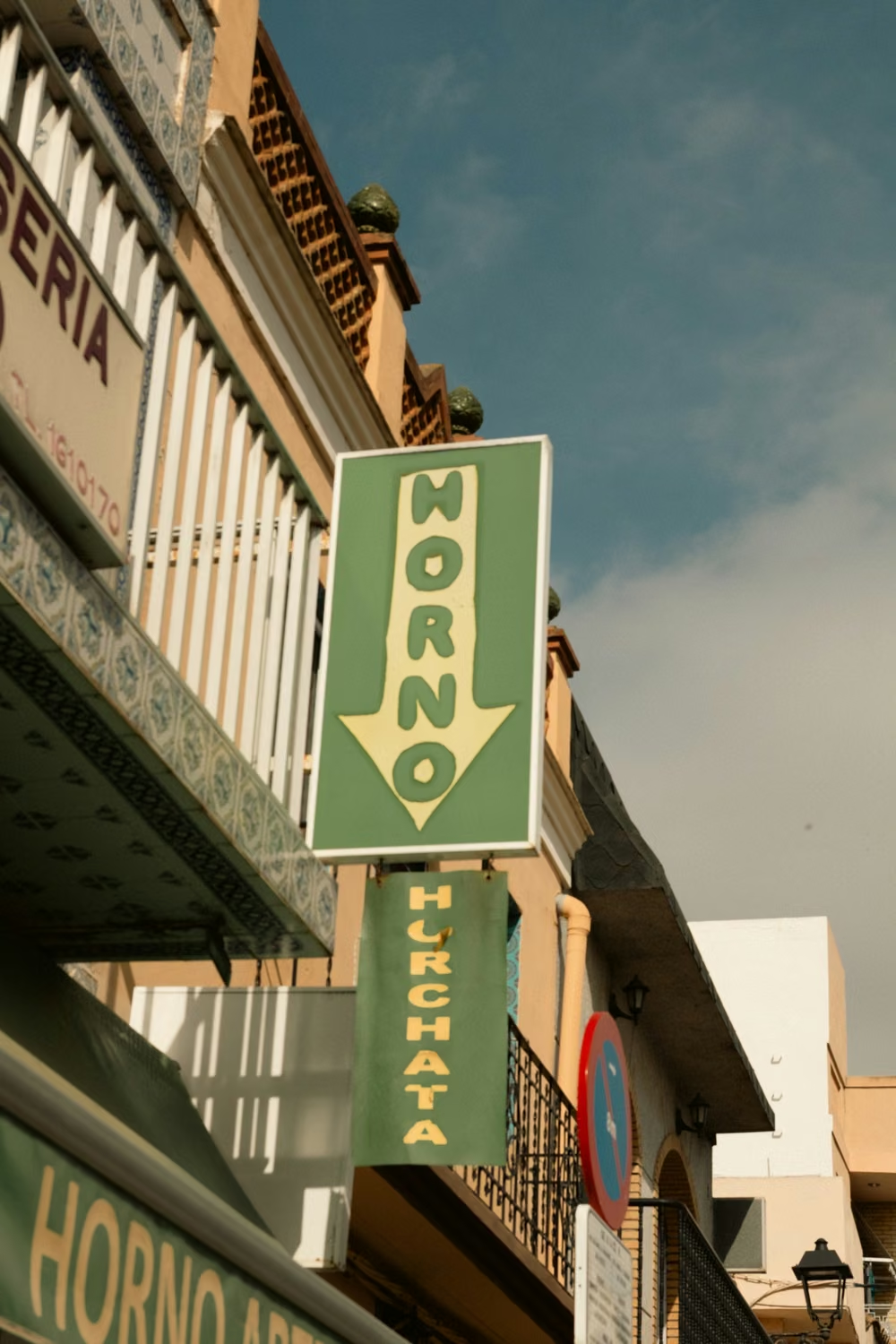
- Horchata and fartons: A cold, sweet drink made from tiger nuts grown around Alboraya, just north of the city, served with fartons, long glazed buns made for dunking.
- Esmorzaret: The Valencian mid-morning snack, a big bocadillo usually washed down with a beer and a cremaet, coffee flamed with rum.
- Agua de Valencia: The city's signature cocktail, made with cava and fresh orange juice and a shot each of gin and vodka.
The markets
The Mercado Central, a modernist market that opened in 1928, is open from 7.30am to 3pm Monday to Saturday. Have a coffee at Retrogusto or a sandwich at Ricard Camarena's Central Bar inside. The Mercado de Ruzafa is more local, while the Mercado de Colón, a beautiful modernist market in L'Eixample, is now a food hall with bars and an outpost of Horchatería Daniel.
Where to eat and drink
Our best advice on paella is to eat it outside the touristy centre.
- Arrocería Maribel: Our favourite paella, in the village of El Palmar in the Albufera. It's a Michelin Bib Gourmand and opens for lunch only, so book ahead. Paella valenciana costs around €18 a head, with a minimum of two people.
- Hundred Burgers: We called it the world's best burger, and the judges agree: it topped The World's Best Burgers ranking every year from 2024 to 2026. The original is on Calle San Vicente Mártir in the old town, with more branches around the city.
- Central Bar: Ricard Camarena's counter inside the Mercado Central, the place for an esmorzaret or a sandwich at the market. Expect a queue.
- Horchatería Santa Catalina: A historic horchatería on Plaça de Santa Caterina in the old town, lined with tiled murals, and the classic place for horchata and fartons. For the full experience, head out to Horchatería Daniel in Alboraya, which has been making horchata since 1949.
Off the clock
Things to see and do
Valencia packs a lot into a small area, and most of the big sights are an easy walk or bike ride from each other. Spread them across your weekends and save a weekday for the Albufera, when the boats and restaurants are quieter.
City of Arts and Sciences
Our favourite
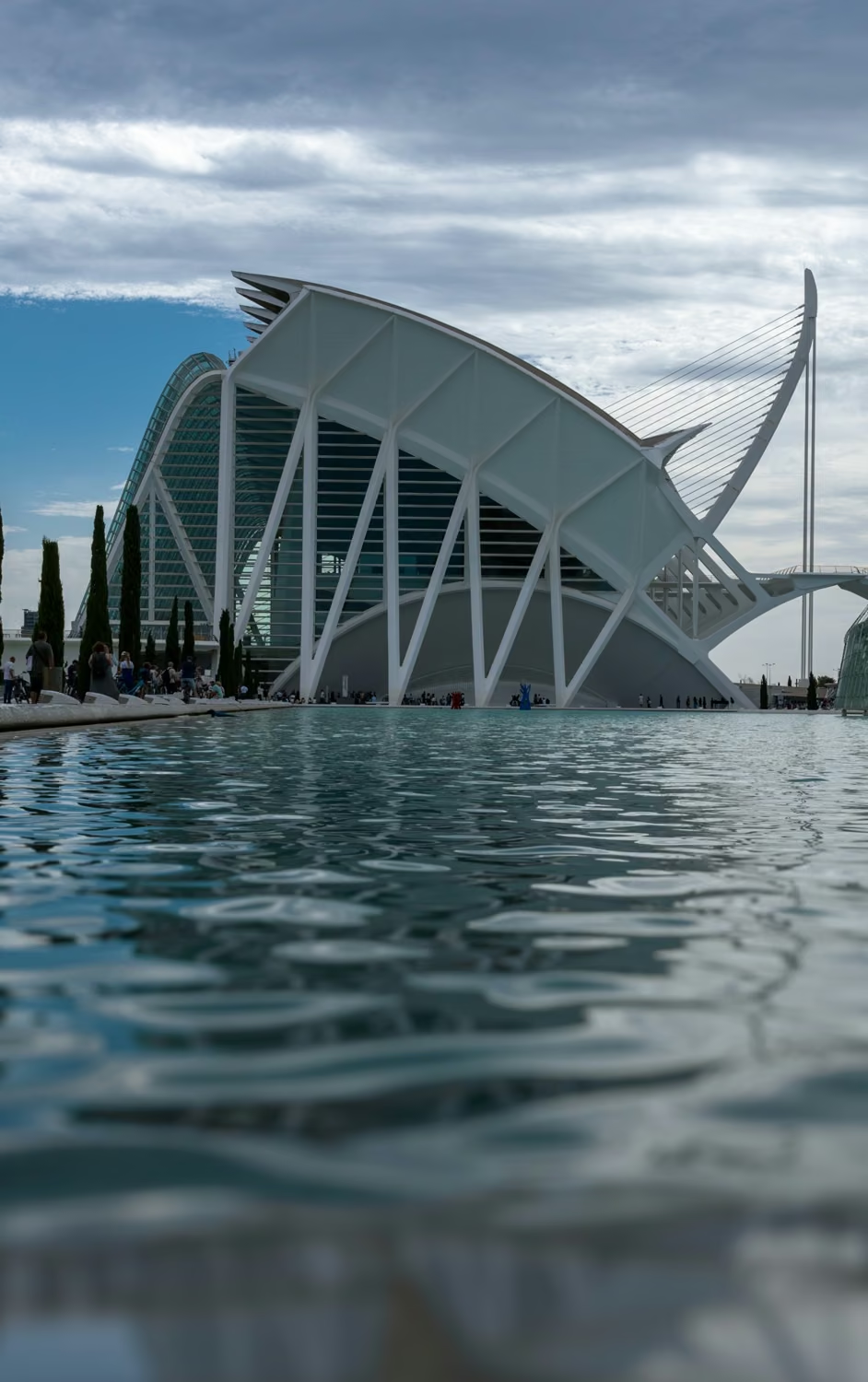
Santiago Calatrava and Félix Candela's futuristic complex of white buildings and blue pools at the eastern end of the Turia park is the sight on every postcard, and it's even better in person. It's so otherworldly that Disney used it as a set for the film Tomorrowland. Wandering around is free. Our favourite part was the Museu de les Ciències, the hands-on science museum, and the Oceanogràfic aquarium makes a full day out.
Free to walk around · Science museum €9, Oceanogràfic about €35
Jardín del Turia
Our favourite free spot
After a catastrophic flood in 1957, the River Turia was diverted south of the city, and its old bed became a park more than nine kilometres long that winds right through Valencia, crossed by 18 bridges. It's the city's living room, full of runners and cyclists from early morning, with the Bioparc zoo at its western end and the City of Arts and Sciences at the other. For us, it's the single best thing about living here.
Free · Open all day
The old town: Mercado Central and La Lonja
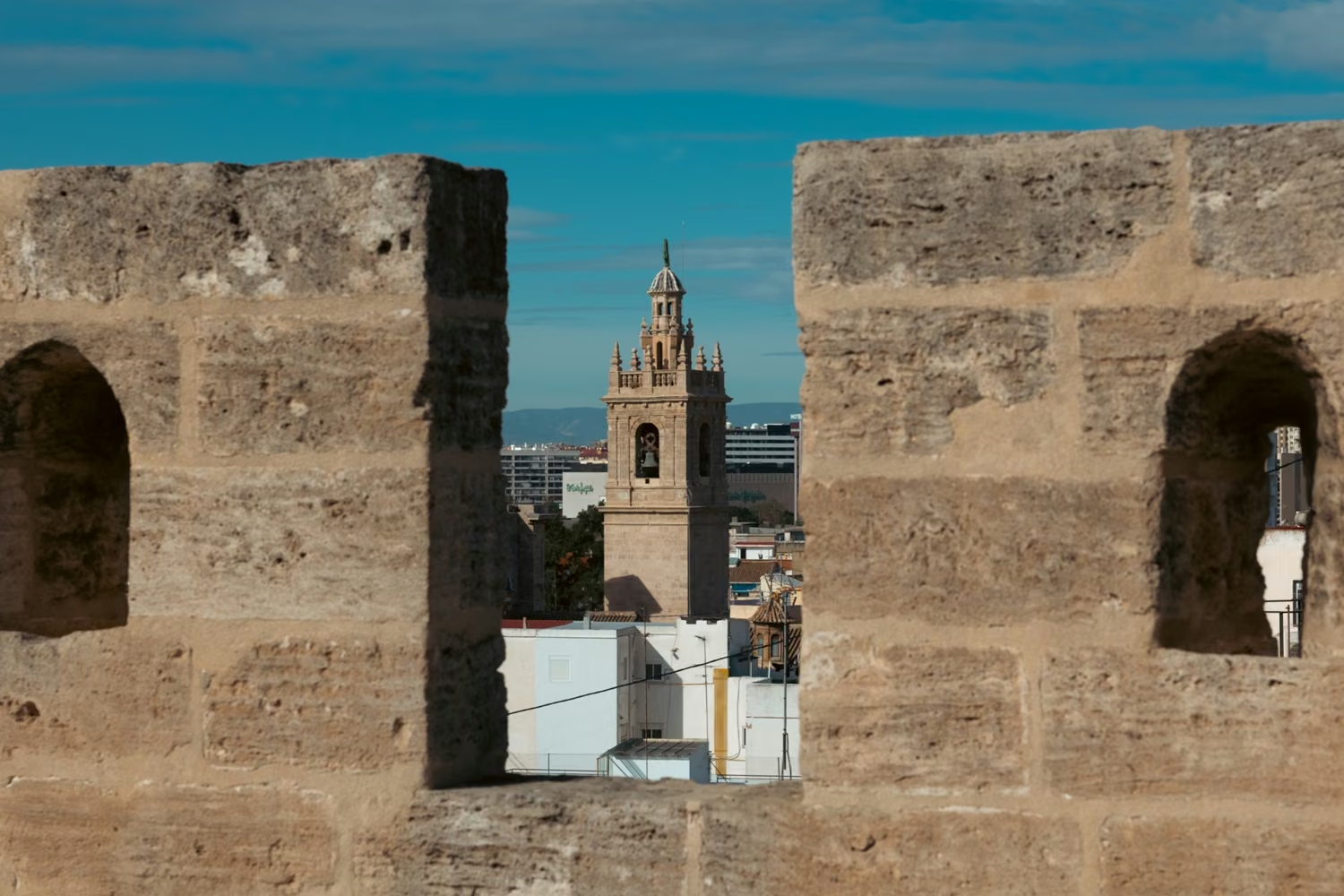
Start at the Mercado Central, then cross the square to La Lonja de la Seda, the late 15th-century silk exchange that's one of the most beautiful Gothic buildings in Europe and a UNESCO World Heritage Site since 1996. Free guided visits to its tower run four days a week until the end of February 2027. From there it's a short wander to the cathedral, which claims to hold the Holy Grail, and on to the Torres de Serranos, the old city gate.
Market Monday to Saturday, 7.30am to 3pm · Lonja €2, free on Sundays
The Albufera and El Palmar
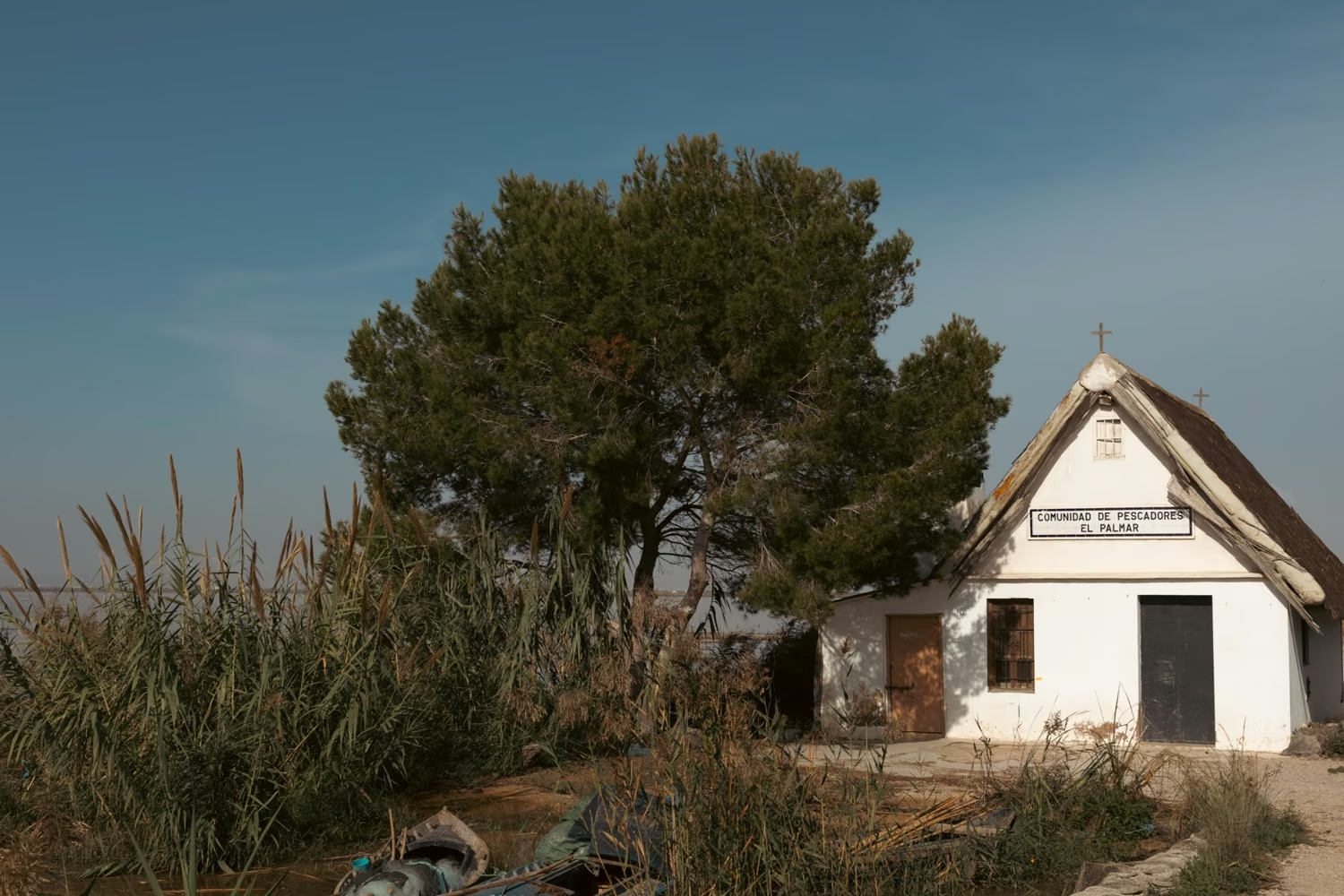
Just south of the city, the Albufera is a huge freshwater lagoon ringed by rice fields, and the heartland of paella. Take the bus to the village of El Palmar and hop on a traditional flat-bottomed boat for a 45-minute trip across the lagoon. Come at lunchtime for paella at Arrocería Maribel, or late in the afternoon for a sunset boat trip, which is spectacular.
EMT buses 24 and 25 · About 40 minutes from the centre
The beaches
Valencia's city beaches, Las Arenas and Malvarrosa, are long and wide, with a promenade of restaurants behind them, and they're about 20 minutes from the centre by tram or bike. For something wilder, head south to El Saler, where the beach is backed by dunes and pine forest inside the Albufera natural park.
Free · Tram or bike from the centre
Huerto Ribera
For a taste of where Valencia's oranges come from, take a day trip to Huerto Ribera, a family orange estate dating back to 1870 in Carcaixent, the town known as the cradle of orange growing in Spain. Guided visits take you through century-old orange groves and the family's restored house, and end with freshly squeezed juice and a tasting.
Guided visits from about €19 · About 40 minutes by car
Las Fallas
Valencia's biggest festival sees hundreds of enormous satirical sculptures, some several storeys high, put up across the city and then burned on the night of 19 March. In between there are daily mascletàs, fireworks, parades and a flower offering that builds a giant figure of the Virgin out of carnations. It's UNESCO-listed and utterly chaotic, so either throw yourself into it or leave town.
1 to 19 March, main days 15 to 19 March
Keeping fit
Valencia calls itself the Ciudad del Running, and it earns the name. The city is flat, and the Turia park gives you a traffic-free route right through the middle. It's a great cycling city too, ranked second in Spain, behind Vitoria-Gasteiz, in the 2025 Copenhagenize Index of bike-friendly cities.
Jardín del Turia
Run · Cycle
More than nine kilometres of paths from the Parque de Cabecera in the west to the City of Arts and Sciences in the east, flat and almost entirely traffic-free. It's busy with runners at every hour, and an out-and-back from the centre makes an easy 10K.
The seafront
Run · Walk
The promenade behind Las Arenas and Malvarrosa is wide and flat, and you can keep going north to Patacona. Go early in summer, as there's little shade.
To El Saler and the Albufera
Cycle
A flat ride south from the City of Arts and Sciences takes you to El Saler beach and on into the Albufera natural park, with the rice fields and the lagoon for company. Take plenty of water.
Races and gyms
If you can get a place, enter a race. The Valencia Half Marathon, part of the international SuperHalfs series, runs in late October on one of the fastest courses in the world, and the Valencia Marathon follows on the first Sunday of December. A calendar of smaller 5K and 10K races runs from September to April.
For gyms, budget chain Basic-Fit has several clubs around the city from €24.99 every four weeks plus a joining fee, and padel clubs are everywhere if you want something more social.
People and community
Valencia has a large, well-established nomad and expat community, and it doesn't take long to find your people. The city council even runs its own programme, València Nomads Hub, with regular meetups for digital nomads and international professionals at venues such as Las Naves and La Harinera.
Beyond that, several Meetup groups run regular networking events for nomads and expats, and the city's nomad and expat Facebook groups are good for advice and flat leads. Coworking spaces are another good way in, especially Vortex, whose community programme was one of the highlights of our stay.
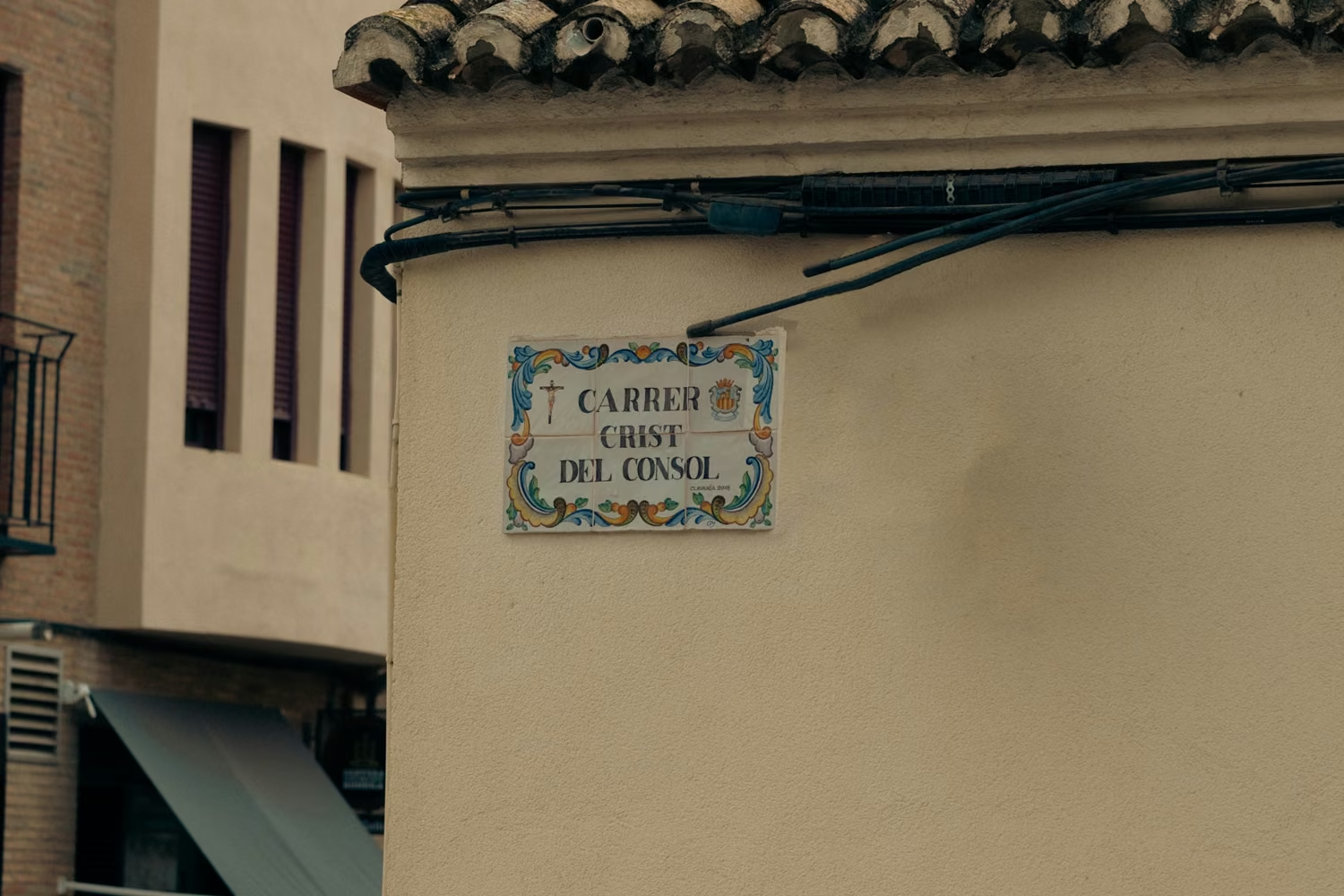
Spanish will get you everywhere, but Valencian, the region's own language, is co-official, so you'll see it on street signs and menus, where Ruzafa becomes Russafa. We took Spanish classes every morning at don Quijote, and living in a neighbourhood like Jesús, where English is rarer, did wonders for our confidence.
Tips
Positives
It's flat and made for bikes.
More than 225km of bike lanes and a €13.30 weekly bike-share pass mean you'll rarely need a taxi.
The Turia park is the best thing in the city.
Nine kilometres of park through the middle of Valencia, perfect for a run before work or a lazy Sunday.
The food is outstanding.
This is the home of paella, and it has the world's best burger too, officially.
It's easy to make friends.
There's a big nomad community, and the coworking spaces run regular events.
Day trips are close by.
The Albufera and the orange groves of La Ribera are both within an hour.
Madrid is under two hours away.
With around 30 high-speed trains a day, a weekend in the capital is simple to arrange, and cheap if you book early.
Negatives
Rent has soared.
Asking rents have nearly tripled since 2015, and short lets in the centre start at around €1,500 a month.
Over-tourism is real.
The centre feels crowded even out of season, and holiday lets are concentrated in the old town and Cabanyal.
Cafés aren't laptop-friendly.
More of them are pushing back against nomads, so budget for coworking.
It can be grubby.
Outside the historic centre, some streets could do with a clean.
Taxis add up.
Taxis and ride-hailing aren't cheap, so use the bikes and the metro instead.
Tips
Book accommodation early.
Supply is tight, especially for lets of one to eleven months, and new rules mean more paperwork.
Come in spring or autumn.
March to May and October to November give you warm days without the summer heat.
Get a SUMA card on day one.
Load it with a SUMA 10 for ten trips at a fraction of the single fare.
Buy a weekly Valenbisi pass.
At €13.30 for unlimited 30-minute rides, it's the cheapest way to get around.
Ask before you work in a café.
Better still, join a coworking space and keep the city's cafés on side.
Eat paella at lunchtime.
Never for dinner, and ideally out of the centre.
Check the Fallas dates.
Plan any March stay around 15 to 19 March, either to join in or to escape.
Live a little further out.
Neighbourhoods like Jesús and Benimaclet cost less, and it's a short ride into the centre on the bike lanes.
Watch the weather in autumn.
Take AEMET warnings seriously during DANA season in September and October.
Valencia · Overall 8/10
Work setup 8 · Walkability 9 · Value 6 · Safety 8 · Lifestyle 9 · Stayed four weeks, October 2024
Working from Valencia?
Nomad Register counts your days in Spain against the Schengen 90/180 rule and turns your trip into a request your employer can approve in a click, across 200+ destinations.
Log your Spain trip · For employers
Need sign-off first? Create a free remote work request.
Frequently asked questions
Is Valencia good for digital nomads?
Yes, especially for a first stay. There's plenty of good coworking and fast fibre, and the big international community means you'll meet people quickly. The main drawbacks are rising rents and crowds in the centre.
Where should digital nomads stay in Valencia?
Ruzafa is the most popular base, with the best café and bar scene. For better value and a more local feel, try Jesús or Benimaclet, while Cabanyal puts you by the beach.
How long can I stay in Valencia as a tourist?
Most visa-exempt visitors, including British and American citizens, can stay for up to 90 days in any 180-day period across the whole Schengen Area. Days spent in other Schengen countries count towards the same limit, so track them carefully.
Does Spain have a digital nomad visa?
Yes. Spain's digital nomad visa lets remote workers earning at least 200% of the minimum wage, about €3,000 a month from 2027, live in Spain for up to five years. Our Spain digital nomad visa guide covers the requirements.
How much does it cost to live in Valencia as a digital nomad?
Budget around €1,100 a month before rent if you eat out regularly and use a coworking space, plus €1,000 to €1,400 a month for a furnished one-bedroom long let in a central neighbourhood, or more for a seasonal or short let.
How fast is the internet in Valencia?
Fibre is widespread, and speeds of 300Mbps or more are common in apartments. Mobile data is cheap, with prepaid plans of 50GB for around €7 a month.
Is Valencia safe?
Yes. Valencia is a safe city where the main risk is petty theft in crowded areas and on the beach. Take normal precautions at night and follow weather warnings in autumn.
When is the best time to visit Valencia?
Spring and autumn, from March to May and in October and November, with May our pick. Summer is hot and humid, and the city is packed during Las Fallas from 15 to 19 March.
What time zone is Valencia in?
Valencia uses Central European Time (UTC+1), switching to UTC+2 from late March to late October. It's an hour ahead of the UK and usually six hours ahead of New York.
Can you drink the tap water in Valencia?
Yes, it's safe to drink, but many people dislike the taste, so a filter jug is popular.
Do I need to speak Spanish in Valencia?
You can get by in English in the centre, but Spanish makes life much easier, especially with landlords and in local neighbourhoods. Valencian is co-official, so you'll see it on signs.
Is there Uber in Valencia?
Yes. Uber and Cabify both work in Valencia, and you can book licensed taxis through either app. A regional rule that forced private hire cars to be booked at least 15 minutes ahead was scrapped in June 2026.
Where next
- Seville: Andalusia's capital, with a gorgeous old town and fierce summer heat
- Mexico City: one of the biggest nomad hubs in the Americas, with food to match
- Panama City: a walkable old town and a free stopover on Copa flights
- Cuenca: Ecuador's colonial highland city, with spring-like weather all year
- Spain Digital Nomad Visa guide: requirements, income, tax and how to apply
- All city guides
About this guide
James is the founder of Nomad Register and has been a full-time digital nomad for around two years. He spent four weeks in Valencia in October 2024, his first month on the road, taking Spanish classes in the mornings and working in the afternoons. This guide is based on that visit, with facts and prices checked in November 2026. You can read his original trip report on The Nest.
This guide is for general information only and is not legal or tax advice. Visa rules and prices change, so confirm entry requirements with the Spanish authorities or your government's travel advice before you travel.